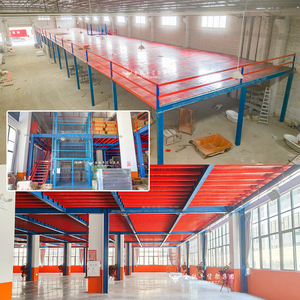
 Multi-Tier I-Beam
Industrial turnkey solutions engineered to interface seamlessly with counterbalance forklifts, narrow aisle reach trucks, and hydraulic picking units across Paris warehouse terminals.
Multi-Tier I-Beam
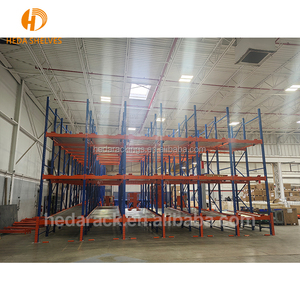 FIFO Dynamics
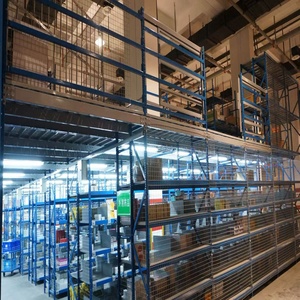 Modular Grid
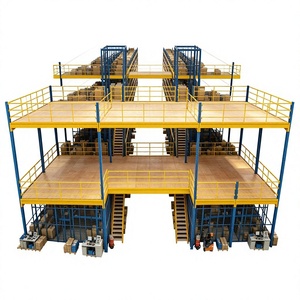 Anti-Corrosion
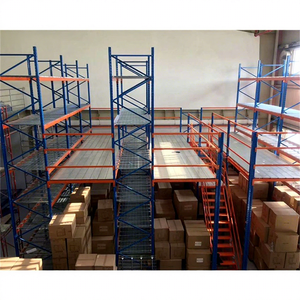 Integrated Rack
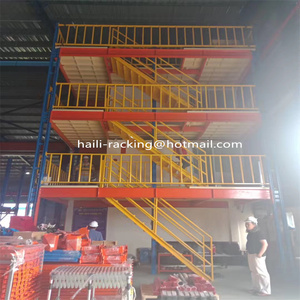 Turnkey Kits
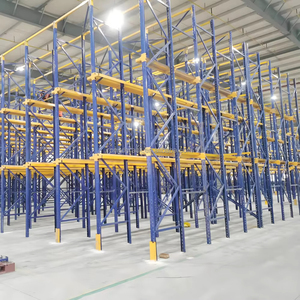 Ultra-Dense LIFO
 Ergonomic MHE
The logistics architecture of Paris operates under strict spatial, municipal, and environmental parameters unlike any other European metropolitan corridor. With prime industrial rents in submarkets like Gennevilliers, Roissy-en-France, and the Southern Ring (Orly-Rungis) reaching historical peaks exceeding €160/m²/year, warehouse developers and 3PL providers cannot afford horizontal inefficiencies. Every cubic meter of warehouse air rights must be fully capitalized through high-lift material handling interfaces.
Simultaneously, the implementation of Paris’s Zone à Faibles Émissions mobilité (ZFE-m) and the Greater Paris Climate Action mandates have banned older diesel internal combustion (IC) forklifts from indoor urban transit docks. Modern Parisian warehouses rely entirely on Zero-Emission battery-electric counterbalance forklifts, lithium-ion high-reach trucks, and AGV/AMR autonomous stackers. As a specialized manufacturer and exporter, our engineering group specifies high-density racking and multi-level platforms designed around the specific turning radii, mast heights, and floor point-loading characteristics of European Class I, Class II, and Class III electric material handling machinery.
Characterized by fast-cycle Class A platforms utilizing electric counterbalance forklifts and high-speed carton gravity flow racks for rapid turnarounds.
Constrained land footprints demand multi-tier mezzanine floor platforms and drive-in racking to maximize cubic capacity adjacent to the Seine waterway.
Heavy pharmaceutical and perishable goods distribution relying on cold-storage galvanized drive-in racks and ergonomic hydraulic scissor lift tables.
A critical point of failure in warehouse design is the misalignment between forklift mast dynamics and structural rack engineering. When a heavy reach truck lifts a standardized Euro-pallet (1200 × 800 mm) or ISO industrial pallet (1200 × 1000 mm) to elevations surpassing 8.5 meters, static and dynamic mast sway introduces lateral deflection forces into racking frames.
Our structural platforms and selective upright configurations incorporate cold-formed, high-tensile omega-profile steel uprights with return flanges engineered to withstand accidental impact kinetic energy up to 400 J at upright corner footplates (as designated by EN 15512). The load distribution calculations must factor in dynamic wheel-point pressure exerted by electric counterbalance forklifts, which carry a heavy rear-mounted counterweight that shifts to the front drive axle when loaded.
| Equipment Category | Typical Aisle Width (AST) | Max Working Height | Recommended Racking / Platform System | Structural Safety Mandate |
|---|---|---|---|---|
| 3-Wheel Electric Forklift | 3,100 – 3,400 mm | Up to 6,500 mm | Drive-In Racking / Wide-Aisle Selective | HD Column Protectors |
| Reach Truck (Pantograph/Moving Mast) | 2,700 – 2,900 mm | Up to 11,500 mm | FIFO Pallet Flow & High-Bay Selective | Guide Rails & Laser Alignment |
| VNA (Very Narrow Aisle) Turret Truck | 1,600 – 1,800 mm | Up to 15,000 mm | Multi-Level Rack-Supported Mezzanine | DIN 18202 Superflat Screed |
| Electric Walkie Stacker / Scissor Lifter | 2,100 – 2,300 mm | Up to 3,500 mm | Boltless Mezzanines & Carton Flow Modules | Kickplates & Self-Closing Gates |
The integration of mezzanine floor platforms with material handling equipment creates true vertical optimization. While conventional warehouse expansions require extensive municipal building permits, long zoning timelines, and costly concrete pouring, our free-standing modular steel mezzanines install over existing slab infrastructures as demountable capital equipment.
Utilizes hot-rolled universal structural I-beams providing column-free clear spans up to 10 meters beneath, ensuring free maneuvering for heavy counterbalance forklifts.
Equipped with eddy-current centrifugal speed controllers that keep 1,200 kg pallets gliding steadily at 0.3 m/s, eliminating forklift transit deep into racking bays.
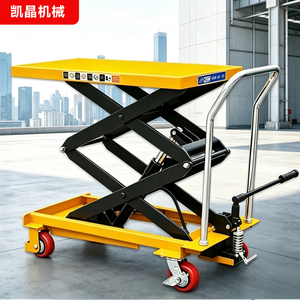
Eliminates repetitive strain injuries (RSI) during container de-stuffing and order assembly; acts as the primary mechanical interface between floor trucks and conveyors.
Procurement of material handling machinery and industrial platforms in France requires strict adherence to European Machinery Directive 2006/42/EC and French Labor Codes (Code du travail - Articles R. 4224-1 to R. 4224-17). Forklift operation within French facilities demands drivers possess valid CACES certification (Certificat d'Aptitude à la Conduite En Sécurité, under R489 recommendations covering pallet trucks, stackers, reach trucks, and counterbalance forklifts).
To prevent workplace incidents between pedestrians and mechanized forklifts, all our mezzanine landings, pallet drop stations, and rack tunnels feature designated safety clearances. Upright protectors are powder-coated in RAL 1023 Traffic Yellow and RAL 9005 Black hazard striping. Moreover, our platforms feature self-closing pivoting safety gates (barrière écluse basculante), guaranteeing that workers on upper mezzanine decks remain shielded behind an unbroken perimeter rail even while receiving pallet deliveries directly from an elevated forklift mast.
From structural engineering and dynamic load calculations to on-site assembly and life-cycle validation, we offer end-to-end accountability.
Over 18 years of specialized engineering in warehouse racking, structural mezzanines, and material handling integrations across 500+ major industrial sites worldwide.
Every layout is custom-designed according to your clear warehouse eaves height, building column grids, slab floor load rating, and forklift turning radius specifications.
Clients access an exclusive live tracking dashboard to monitor fabrication milestones, welding QA checks, maritime export shipping, and installation progress in real time.
Engineered strictly to European standards (EN 15512 / FEM 10.2.02). Every beam, connector lock, and baseplate is structurally rated and finite element analyzed (FEA).
Our certified technicians execute mechanical site alignment, dynamic floor anchoring, torque validation, and handover safety audits with certified load signage.
End-to-end aftercare including annual EN 15635 rack safety inspections, modular mezzanine bay extensions, and rapid replacement component deliveries.
Clear, technically rigorous answers addressing local regulations, floor loading limits, CACES requirements, and equipment interoperability in France.
The Greater Paris Low Emission Zone (ZFE-m) restricts diesel-powered internal combustion handling equipment in inner-suburb logistics centers. Facilities across Gennevilliers, Rungis, and Saint-Ouen are transitioning to electric counterbalance forklifts and 80V lithium-ion reach trucks. This requires installing high-amperage rapid-charging staging areas and matching aisle widths to electric 3-wheel and 4-wheel chassis geometries.
When operating reach trucks or VNA turret equipment above 8 meters, floor slab flatness must comply with DIN 18202 Table 3 (Group 4) or EN 15620 specifications. In standard Paris speculative warehouses, floor load capacities typically range from 50 kN/m² (uniformly distributed load) with 70 to 90 kN point loads under upright baseplates. Our engineers evaluate your slab borehole and reinforcement data before finalizing anchor bolt embedment depths.
In most industrial zones in France, a free-standing modular steel mezzanine is classified as demountable storage equipment rather than permanent civil construction. If it does not alter the exterior building envelope or primary structural columns, it typically bypasses full permis de construire requirements, requiring only an internal workplace layout declaration conforming to Code du travail egress and fire suppression sprinkler rules.
Drive-in racks must be custom-machined depending on whether you feed pallets from the 800 mm or 1200 mm dimension. In France, the standard EPAL 1 (1200 × 800 mm) is typically placed with the 800 mm face frontward. Our drive-in support rails feature a flared lead-in entry guide and heavy-duty floor-mounted steel guide channels that keep forklift wheels perfectly centered, preventing tire impact against structural uprights.
Under French safety standard CNAM R489, operators require specific licenses: CACES R489 Category 1A (ride-on powered pallet trucks), Category 1B (pedestrian stackers with lift >1.2m), Category 3 (counterbalance forklifts up to 6,000 kg), and Category 5 (pantograph and moving-mast reach trucks). Ensuring clear aisle clearances in our racking designs protects operators and guarantees compliant braking distances.
Our gravity flow roller beds use mechanical brake rollers located every pallet pitch. These self-regulating centrifugal brake drums ensure that regardless of pallet weight (ranging from 200 kg to 1,200 kg), pallets glide downward at a safe, controlled speed of 0.25 to 0.35 meters per second. A mechanical separator at the discharge end holds back rear pallets until the front pallet is picked by a forklift.
Yes. Our modular steel structural designs utilize standardized beam-to-column bolt configurations. As your SKUs increase in Paris fulfillment facilities, we can expand floor grids, add additional staircase modules, install hydraulic scissor lift tables for vertical transfer, or extend second and third mezzanine tiers without disrupting operations on the ground floor.
French fire safety directives (ICPE regulations for logistics warehouses) govern sprinkler penetration. If a mezzanine platform or drive-in rack system spans wider than 50 m² or has solid decking, under-deck in-rack ESFR sprinkler lines are required. To reduce fire system costs, we offer open wire mesh decking and perforated steel deck panels that provide up to 50% open area for optimal water and light penetration.
Consult with our lead intralogistics structural engineers. We provide CAD layouts, load calculations, forklift turning radius simulations, and end-to-end turnkey manufacturing quotes tailored to your European or international facility.