JIS B 8923 & Building Standards Act Compliant Racking
OEM/ODM Steel Pallet Racking Factory & Suppliers serving the Tokyo market
Precision-engineered seismic storage structures, high-density automated retrieval racks, and custom material handling solutions customized for high-density logistics facilities across the Greater Tokyo Area.
18+Years OEM/ODM Expertise
JIS B8923Certified Seismic Compliance
500+Industrial Projects Delivered
Real-TimeProject Tracking System
Engineering Solutions
High-Performance Storage & Material Handling Equipment
Engineered for seamless compatibility with Japan's standard T-11 pallets (1100 × 1100 mm), automated guided vehicle (AGV) interfaces, and heavy-capacity horizontal storage requirements.
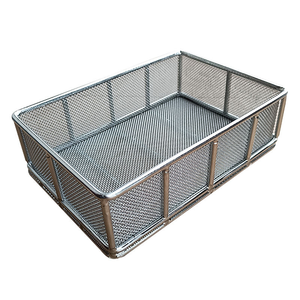
Ultrasonic degreasing and parts washing baskets fabricated with SS304 electrolytic polishing, engineered for precision tech fabrication in the Keihin Industrial Zone.
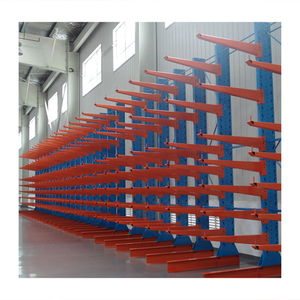
Free-standing structural columns with pivot arms for bar stock, extruded aluminum, and lumber; engineered with earthquake moment resistance up to 2000kg per arm.
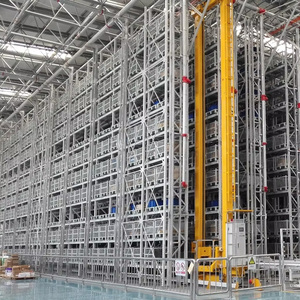
Ultra-high-tolerance robotic racking reaching up to 30 meters, supporting stacker cranes, 4-way shuttles, and WMS integrations tailored for logistics hubs along the Ken-O Expressway.
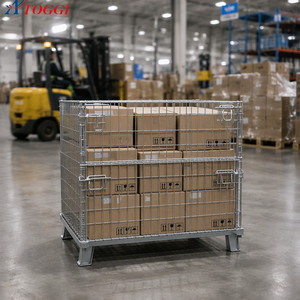
Hot-dip galvanized, foldable steel pallet containers designed for moisture-intensive cold chain storage at Toyosu and Tokyo Bay logistics terminals with 1000kg stack rating.
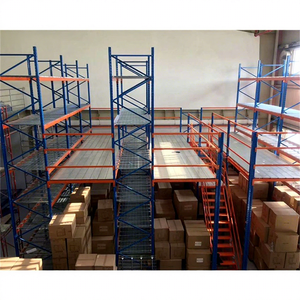
Multiply floor space by up to 200% without structural civil alterations. Engineered to meet Tokyo metropolitan fire-separation and egress seismic requirements.
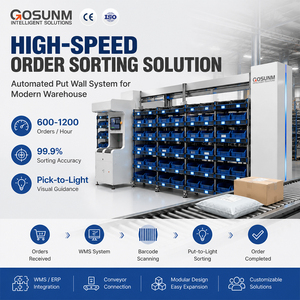
High-speed pick-to-light sorting infrastructure designed to combat labor shortages under Japan's "Logistics 2024 Problem" by streamlining omnichannel order fulfillment.
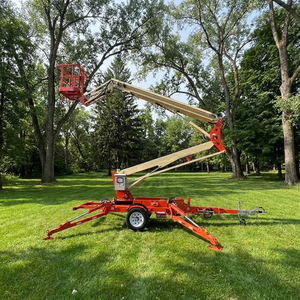
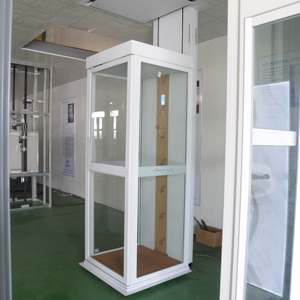
Compact vertical freight and personnel elevation system tailored for tight urban warehouses, small multi-tier picking platforms, and light industrial workshops in Central Tokyo.
Engineering Seismic-Resilient Steel Pallet Racking for the Kanto Seismic Zone
Operating logistics warehousing within Tokyo and the Kanto Plain requires strict adherence to seismic mitigation standards under Japan's Building Standards Act (Kenchiku Kijun-hō) and JIS B 8923.
Ductile SS400 & Q355B Steels
Our OEM cold-rolled upright columns and load beams use certified high-yield structural carbon steels (Q355B / SS400 / S355JR). These materials provide superior elongation properties under cyclic seismic loading, preventing brittle structural fracture during severe tremors.
Base Shear Coefficient (Co ≥ 0.2-0.3)
Custom frames engineered with enlarged, high-gauge anchor footplates fastened by torque-controlled chemical or wedge anchor bolts. Rigorous design accounts for vertical and lateral accelerations, preventing uplift and sliding across concrete slabs rated at 21-30 MPa.
Anti-Dislodgement Drop-Locks
Every beam-to-column connector features spring-loaded safety locking pins paired with heavy-duty top-tie bracing portals and row spacers. This geometry restricts out-of-plane buckling and stops pallet loads from sliding off during high-frequency resonance.
Geographic Application Profiles
Localized Storage Deployments Across Tokyo Logistics Hubs
The Greater Tokyo logistics footprint is defined by stark geographic requirements—from maritime deep-freeze environments along Tokyo Bay to multi-story mega-hubs flanking the Ken-O and Tomei expressways.
Tokyo Bay & Port Waterfront
Encompassing Koto, Shinagawa, and Ota wards, this district commands mission-critical refrigerated storage and container freight stations. Racks deployed here feature hot-dip galvanization to resist coastal salinity, paired with low-temperature impact-tested steels suited for -30°C blast-freezers.
Inland logistics corridors (Saitama, western Tokyo, Kanagawa) house expansive multi-tenant logistics facilities (Mitsui Fudosan Logistics Park, GLP, Prologis). Deployments favor high-bay narrow-aisle (VNA) and automated shuttle configurations to maximize interior clear heights up to 10-15 meters.
High Density VNAASRS IntegrationShuttle Systems
Inner-City Micro-Fulfillment
Serving central business districts like Chiyoda, Minato, and Shinjuku, rapid last-mile centers require mezzanine floor racking platforms, put-wall sorting setups, and boltless longspan shelving, turning tight floorplates into three-dimensional order fulfillment powerhouses.
Multi-Tier MezzaninePut-Wall SortingRapid Picking
Strategic Market Analysis
Overcoming Japan's "2024 Logistics Problem" with Intelligent Racking
With statutory caps on truck driver overtime in full effect across Japan, supply chains feeding Tokyo face tight transport turnarounds, demanding radically faster load/unload cycles and unprecedented vertical density.
Transitioning from Selective to Semi-Automated Pallet Shuttle Systems
The acute labor crunch in Tokyo logistics has driven automated pallet shuttle systems and ASRS to the center of warehouse planning. Compared with traditional selective racking requiring 3.2-meter forklift aisles, radio-shuttle high-density lanes compress warehouse footprint requirements by up to 60%, speeding up dock staging for logistics operators serving the Kanto distribution ring.
Standardized JIS T-11 Optimization: Precision-milled runner rails engineered with sub-millimeter tolerances for plastic and wooden 1100×1100 mm pallets.
Reduced Equipment Collisions: Forklifts remain at lane thresholds, cutting structural rack impacts by up to 85% compared to drive-in racks.
Floor-to-Ceiling Volume Recovery: Takes full advantage of Japan's multi-tenant ceiling limits (5.5m clear heights per floor).
Our OEM/ODM manufacturing lines adhere strictly to Japanese Industrial Standards, with full cross-certification for global compliance across international supply chains.
Performance Dimension
Japanese Standard (JIS B 8923)
European Standard (EN 15512)
US Standard (RMI ANSI MH16.1)
Our OEM/ODM Tokyo Specification
Primary Steel Grade
SS400 / SPHC
S235JR / S355JR
ASTM A1011 / A36
SS400 / Q355B (Certified Mill Test Reports)
Pallet Interface Geometry
1100 × 1100 mm (JIS T-11)
1200 × 800 mm (Euro)
1200 × 1000 mm (GMA)
Bespoke Dual-Toleranced Beam Spans (2300-2700mm)
Seismic Acceleration Factor
Kh ≥ 0.20 to 0.35g
Eurocode 8 Spectral
IBC / ASCE 7 Spectral
Site-Specific Finite Element Analysis (FEA) Seismic Modeling
Deflection Limits
L / 250 - L / 300
L / 200
L / 180
Tight L / 300 to L / 400 for Automated Crane Tracks
Combining automated production power with dedicated project oversight from initial 3D structural drawings through handover.
Dedicated OEM/ODM Customization
Every profile is roll-formed on computer-controlled continuous production lines. We customize column pitch (50mm or 75mm), beam teardrop/butterfly/square perforations, and structural gauges (1.5mm to 3.5mm) to match your existing equipment specifications without expensive retrofits.
Real-Time Project Tracking System
Clients access our proprietary milestone portal to follow production schedules, powder-coat batch thickness verifications, pre-shipment dry-fit assemblies, and container vessel ETAs into Tokyo Port (Ohi/Aomi Container Terminals) with complete transparency.
Exhaustive QA & Ultrasonic Weld Audits
Structural beams undergo automated continuous seam welding with ultrasonic testing across load-bearing joints. Every batch includes Charpy V-notch impact validation, salt spray testing (ASTM B117 ≥ 500 hours), and certified yield tensile verification before release.
Buyer Knowledge Base
Frequently Asked Questions: Procuring Racking in Tokyo
In-depth technical answers addressing fire safety regulations, seismic verification, pallet configurations, and delivery logistics within the Tokyo Metropolitan Area.
How do your racks satisfy Tokyo Metropolitan Fire Department (TFD) sprinkler clearances?
Under Tokyo fire regulations, rack installations exceeding 5.5 meters must maintain minimum clearances between high-bay rack headers and ceiling sprinkler discharge heads (typically 450-600mm depending on ESFR sprinkler specifications). For solid storage shelves wider than standard openings, wire mesh decking or open-grid panels with >50% open aperture are mandatory to allow unobstructed water penetration. We supply certified galvanized wire decking and flue space stoppers that maintain required transverse and longitudinal chimney spaces across all pallet lanes.
Are your rack systems compatible with standard Japanese T-11 pallets (1100 × 1100 mm)?
Yes. Most Western selective racks are designed for 1200×1000mm or 1200×800mm pallets, which causes inefficient overhangs or hazardous seating on 1100mm Japanese pallets. Our OEM factory produces custom 2300mm (2-pallet) and 2500mm beam spans specifically designed for T-11 pallets, allowing the standard 75mm side clearance and 100mm between pallet loads required by Japanese safety guidelines.
What engineering documentation do you provide for Building Standards Act certifications in Japan?
For warehouses requiring municipal building permit submissions or formal fire prevention inspections, we provide full structural calculation packages. This includes finite element structural analysis (FEA) plots, base-plate punching shear evaluations, anchor bolt pullout capacity calculations (based on concrete compressive strength), and material mill test certificates (MTC) proving steel chemical composition and yield strength.
How do you handle delivery and narrow-street site staging in central Tokyo?
Urban job sites in Koto, Ota, or Edogawa wards frequently face strict access limits for 40-foot shipping containers. We stage container arrivals through bonded deconsolidation yards near Tokyo Port, reloading materials onto 4-ton or 10-ton flatbed straight-frame trucks with coordinated time-window permits for smooth, compliant metropolitan delivery.
Can your factory match paint finishes to existing installations from Japanese makers?
Yes. We regularly supply replacement bays and expansions that integrate with legacy systems from major Japanese manufacturers. We match exact RAL or custom Munsell color codes (such as 5Y 7/1 or 2.5PB 5/8) in high-durability electrostatic epoxy powder finishes, alongside customized hole punch patterns matching 50mm, 75mm, or 76.2mm column pitches.
What precautions are taken for refrigerated and low-temperature cold storage in Tokyo Bay?
Standard carbon steel undergoes ductile-to-brittle transition below 0°C, risking sudden stress cracks under dynamic forklift loading. For cold stores (-20°C to -35°C), we roll-form our uprights and beams using Q355D or Q355E micro-alloyed killed steels that maintain Charpy impact toughness down to -40°C. In high-condensation ambient-to-freezer transition zones, hot-dip galvanizing per ISO 1461 provides lifetime corrosion defense.
How are floor anchor holes evaluated to avoid rebar strikes in post-tensioned slabs?
Modern multi-story logistics hubs in Tokyo frequently utilize prestressed or post-tensioned (PT) concrete slabs. Before installing chemical capsule or mechanical wedge anchors, we require structural slab drawings or coordinate non-destructive GPR (ground-penetrating radar) concrete scanning to verify tendon paths and rebar depths, preventing tendon strikes and preserving slab integrity.
What is your typical production lead time and ocean transit window to Tokyo Port?
Standard OEM manufacturing lead time ranges from 20 to 30 days depending on system tonnage and custom tooling requirements. Ocean transit to Tokyo Port (Aomi / Shinagawa / Ohi terminals) typically takes 4 to 7 sailing days. Including customs clearance and devanning, turn-around times regularly outpace congested domestic manufacturing queues by several weeks.
Engineering Your Tokyo Facility for Decades of Safe, High-Density Storage
Consult directly with our structural engineering team. Submit your warehouse architectural CAD plan, floor slab specifications, and pallet handling profiles to receive an initial layout drawing and cost estimate within 48 hours.