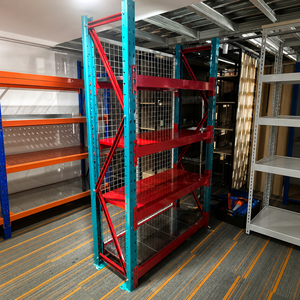
Precision-fabricated with high-tensile carbon steel, robotic dual-pulse welds, and industrial electrostatic powder coatings to ensure unyielding stability under rigorous dynamic cycle demands.
In modern high-throughput fulfillment centers, automated distribution hubs, and heavy manufacturing plants, internal material transport represents the critical nexus between stationary storage buffers and dynamic handling flow. Industrial hand trucks, manual transport dollies, and integrated mobile staging racks are no longer treated as simple passive hardware; they are precision mechanical systems subjected to severe cyclic fatigue, shock loading, and continuous frictional stress. Sourcing from a tier-one manufacturing plant requires a rigorous engineering review of structural metallurgy, bearing assembly ratings, torsional frame resistance, and surface passivations.
Critical Sourcing Insight: Global logistics operators experience over 38% of equipment breakdown costs within the first 18 months due to under-engineered wheel hub bearings and cold-formed frame welds failing under eccentric load vectors. Verified export-grade factories utilize structural Q235B and Q355B cold-rolled profiles paired with robotic MAG continuous-seam weld verification.
Industrial hand trucks engineered for high-duty cycles leverage calibrated cold-drawn tubular steel or aircraft-grade 6061-T6 extruded aluminum alloys. The fundamental distinction between commercial retail trolleys and industrial-grade warehouse trucks lies in yield strength and deflection tolerances under full nominal payload. Cold-rolled structural steel chassis undergo automated CNC laser profiling and robotic hydraulic multi-axis bending, preserving grain flow and minimizing residual shear stresses along critical corner radii.
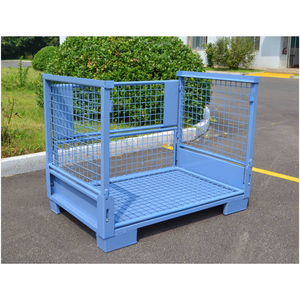
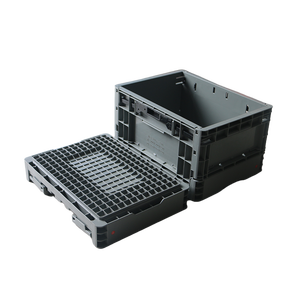
Furthermore, structural racking uprights and heavy storage bins—such as the Spark Custom Heavy-Duty Steel Folding Storage Box—incorporate specialized perimeter embossments and reinforced lockable corners capable of resisting dynamic fork truck impacts while sustaining 1600kg static stacked capacities. The synergy between mobile hand equipment and fixed structural racking determines total floor cycle efficiency.
The energy expenditure required to navigate a 500kg loaded hand truck through narrow warehouse aisles is governed entirely by rolling friction coefficients and wheel core elasticity. Leading manufacturers integrate heavy-duty polyurethane (PU) treads chemically vulcanized to cast-iron or forged aluminum cores, safeguarding against delamination under sustained dynamic load cycles.
Precision deep-groove double-shielded chrome steel bearings (standard 6204-2RS or 6005-2RS configurations) packed with high-viscosity synthetic lithium grease prevent particulate ingress from abrasive warehouse concrete dust. This tribological optimization reduces initial breakaway force by up to 42%, drastically mitigating musculoskeletal strain and ensuring regulatory compliance with ISO 11228-2 manual handling standards.
Single-source accountability covering precision structural engineering, robotic manufacturing, certified destructive payload testing, and complete export logistics.
Established manufacturing pedigree delivering over 500 complex warehouse structural installations and material handling deployments worldwide with uncompromising tolerances.
Complete project transparency through proprietary digital tracking, enabling overseas clients to inspect batch progress, welding stages, surface finishing, and export staging.
Every racking system and transport cart is tailored directly to your building layout, forklift clear turning radius, unit payload weights, and specific pallet SKU spectrums.
Products adhere strictly to FEM 10.2.02, RMI, and ANSI safety standards, guaranteeing certified static deflections beneath 1/200th of beam span across heavy racking frames.
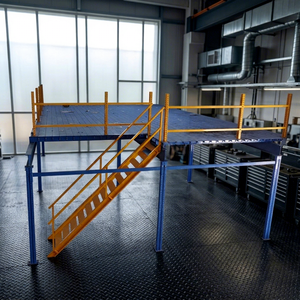
From complex mezzanine multi-tier decking to heavy-duty teardrop pallet frames, our engineering teams oversee fabrication, shipping, and technical assembly guidance.
Lifetime metallurgical support, replacement beam parts, dynamic wear components, and scheduled load recalibration assessments to maintain optimum uptime.
Review standard physical properties, load capacities, and structural compliance factors across key warehouse storage and internal handling classifications.
| Equipment Classification | Core Material Grade | Rated Payload Capacity | Aisle Clear Requirement | Optimal Logistics Application |
|---|---|---|---|---|
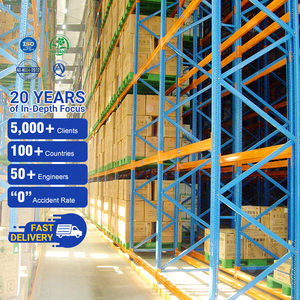
| Narrow Aisle Movable Pallet Rack | Q355B Cold-Formed Steel | Up to 4,500 kg / Level | 1.6m – 1.9m (VNA) | High-Density Regional Hubs, Cold Storage |
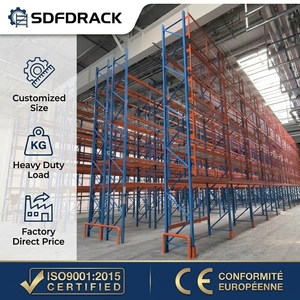
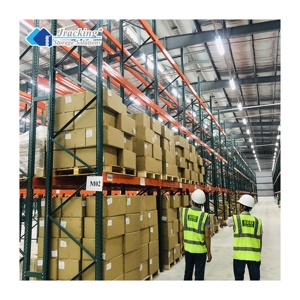
| Teardrop Selective Pallet Racking | High-Tensile Carbon Steel | 1,000 – 3,500 kg / Level | 2.8m – 3.5m Standard | FMCG, High-Turnover 3PL Distribution |
| Industrial Warehouse Mezzanine | Hot-Rolled Structural Beams | 300 – 1,200 kg / m² | Multi-Level Custom Span | Overhead Storage, Sorting, Assembly Zones |
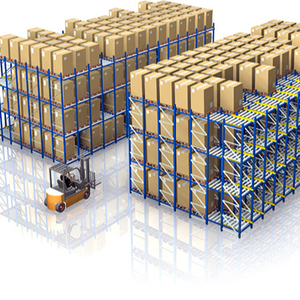
| High-Density Gravity Flow Rack | Galvanized Steel Frame + PU Rollers | 800 – 2,000 kg / Lane | Dedicated FIFO Lanes | Perishable Goods, High-Speed Buffer Staging |
| Spark Steel Folding Storage Box | Reinforced Q235B Wire Mesh | 1,600 kg Static Stacked | Modular / Mobile | Automotive Casting, Bulk Hardware Staging |
| Heavy Logistics Plastic Crate | Virgin High-Density PP / HDPE | 50 – 80 kg Unit Load | Manual Cart / Conveyor | E-commerce Split-Case Order Picking |
The global material handling sector is encountering a structural transformation spurred by labor constraints, aggressive automation adoption, and rigorous sustainability directives. Forward-thinking procurement managers are transitioning away from short-term capex reductions toward calculated Total Cost of Ownership (TCO) assessments. The following four macro trends are fundamentally altering how industrial hand trucks, warehouse carts, and structural racking systems are specified and procured internationally:
Industrial hand trucks are increasingly engineered as "hybrid transport assets." Next-generation platform trucks and heavy industrial dollies now incorporate precision laser-cut standardized hitch pin assemblies and optical guide sensors. This dual capability allows a platform truck to be operated manually by fulfillment technicians during peak micro-picking hours, while seamlessly hitching into autonomous mobile robot (AMR) tugger trains during batch replenishment cycles without requiring equipment transfer.
Environmental, Social, and Governance (ESG) compliance has elevated the demand for verified low-carbon steel profiles in warehouse racking and handling carts. Through scrap-based Electric Arc Furnace (EAF) production, steel uprights and platform frames achieve up to 65% reductions in embodied carbon without sacrificing tensile strength or dynamic fatigue thresholds. Simultaneously, magnesium-aluminum composite handles in hand trucks are decreasing deadweight by 28%, significantly lowering worker fatigue across 10-hour pick shifts.
Unplanned fleet downtime and overloaded platform carts represent recurring safety and financial hazards. Top export factories are deploying industrial hand trucks and collapsible steel storage bins embedded with ruggedized passive RFID chips and active Bluetooth Low Energy (BLE) asset beacons. These sensors transmit real-time telemetry regarding dynamic payload weight, thermal cycles in cold-storage applications, and wheel bearing vibration signatures, triggering preventive maintenance alerts well before catastrophic failure.
Ocean container freight rates have forced an engineering revolution toward extreme knocked-down (KD) packaging design. Industrial hand trucks and structural frames previously shipped as fully welded rigid structures are now engineered with high-precision interference-fit structural mortise joints and grade 8.8 structural locking fasteners. This modular packaging innovation increases 40ft High Cube container volumetric capacity by up to 210%, slashing per-unit ocean transit costs and reducing supply chain risk for global distributors.
Direct technical answers addressing certification standards, payload calculation, custom OEM capabilities, and international container shipment safeguards.
Our manufacturing and structural design processes comply with major global structural and material handling codes, including American RMI (Rack Manufacturers Institute) specifications, ANSI MH16.1 for industrial steel storage racks, European EN 15512 / FEM 10.2.02, and ISO 9001 quality management standards. Every steel batch undergoes mill-certified chemical testing to verify yield and elongation profiles prior to roll-forming.
We deploy automated robotic Metal Active Gas (MAG) continuous welding stations calibrated to prevent porosity and incomplete root penetration. Critical load-bearing components, beam connectors, and caster mounting plates undergo cyclic destructive test protocols on our internal 50-tonne hydraulic test rigs. Final products are rated with a mandatory minimum safety factor of 1.5 to 1.65 based on nominal yield limits.
Yes. Approximately 45% of our export output involves custom OEM/ODM configurations. For sub-zero cold storage facilities (-30°C), we utilize specialized low-temperature impact-resistant steel alloys, low-temperature synthetic lubricants, and cold-resistant thermoplastic polyurethane or solid nylon wheels to eliminate tread brittle-fracture. Frames can be finished in hot-dip galvanizing or high-durability epoxy-polyester powder coats.
Our digital tracking system grants overseas clients secure access to our manufacturing management workflow. Procurement directors can log in to view raw material metallurgical inspection reports, live welding and coating line photos, dimensional QA sign-offs, and final container stuffing validation in real time. This eliminates communication delays and ensures 100% compliance before shipping documents are released.
Standard lead times for high-volume standard product runs (such as Teardrop frames, collapsible steel boxes, or standard industrial trucks) range between 20 and 30 calendar days upon CAD engineering approval. Custom platform fabrications typically ship within 35 days. While our primary focus is full container load (FCL) logistics to optimize overseas freight rates, we accommodate combined mixed-product trial containers for qualified enterprise buyers.