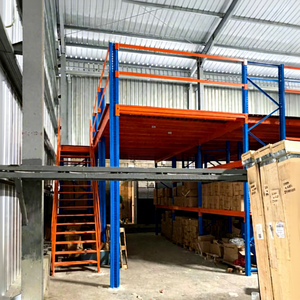
Industrial Steel Mezzanine Floor & Ladder Platform
Heavy-duty multi-tier assembly delivering high load-bearing capacity and doubling footprint efficiency without structural alterations.
Precision-manufactured wire storage systems, industrial mezzanines, and turnkey material handling equipment configured for extreme weight distribution and NFPA safety regulations.
Heavy-duty multi-tier assembly delivering high load-bearing capacity and doubling footprint efficiency without structural alterations.
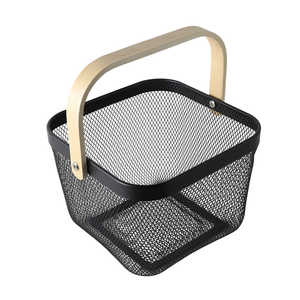
Precision resistance-welded wire basket with high-tensile strength and weather-resistant black thermoset powder coating.
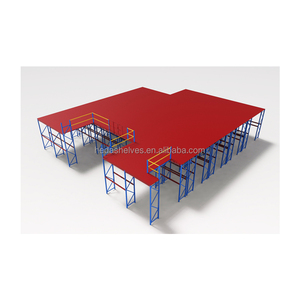
Integrated structural uprights paired with high-tensile wire mesh partition decks for maximum overhead air and light permeation.
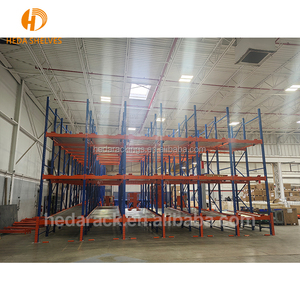
Dynamic gravity flow mechanisms with safety speed controllers, tailored for automated batching and rapid FMCG order staging.
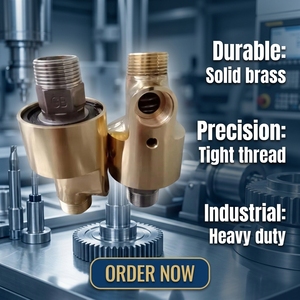
Heavy-duty industrial hydraulic coupling engineered to withstand continuous cycle heat and demanding material processing plants.
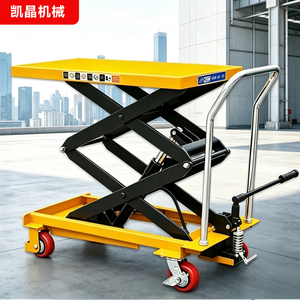
Compact ergonomic elevation platform optimized for pallet transfer, order picking, and maintenance in tight aisle configurations.
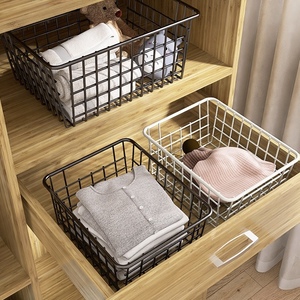
Corrosion-proof, high-visibility storage baskets providing ventilation and structured segregation for sorting small inventory components.
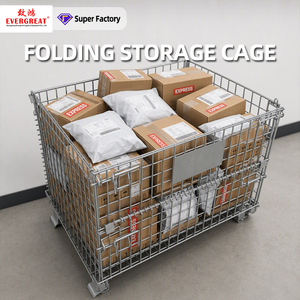
Collapsible space-saving wire cage fitted with drop-gates and heavy under-structure channels, tailored for intermodal logistics.
A technical evaluation for procurement directors, distribution designers, and safety auditors assessing high-yield cold-drawn steel, channel flange engineering, and fire code conformity.
Industrial wire mesh decking serves as the fundamental safety platform across selective pallet racks, drive-in systems, and automated storage and retrieval systems (AS/RS). Unlike traditional solid timber shelving or pressed sheet steel decks, wire decking is engineered via an orthogonal matrix of cold-drawn, low-carbon steel wires (typically Q195 or Q235 grade, ranging from 4.0 mm to 6.0 mm in diameter) resistance-welded at every intersection to establish high tensile resistance.
The primary load capacity is derived from cold-formed steel support channels (U-channels, flared universal channels, or inverted step channels) mechanically spot-welded directly to the underside of the wire grid. These structural channels transfer the static and dynamic point loads of pallet stringers directly into the horizontal step beams or box beams of the racking system. Selecting between Standard Outside Waterfall, Inside Waterfall, and Flush Fit/Drop-In designs depends entirely on beam profile dimensions, handling machinery, and barcode scanner clearance.
Designed to sit securely on box beams, structural channels, or step beams without dedicated flange recesses. The flattened ends rest smoothly over the beam top, making them the most versatile choice for retrofit operations.
Precision-engineered to drop into standard 1-5/8" step beams. The vertical channel legs tuck beneath the top beam plane, creating a secure mechanical lock that prevents beam spreading under heavy structural deflection.
Built for pharmaceutical, food distribution, and cleanroom environments. The channel profile is oriented upside-down, preventing ambient dust, debris, and vermin from collecting within hollow steel recesses.
Leading China export manufacturers design and certify their wire decking under the rigorous standards of ANSI MH26.2 (Design, Testing, and Utilization of Industrial Storage Rack Wire Mesh Decking). Procurement agents must differentiate between Uniformly Distributed Load (UDL) ratings and concentrated point-loading conditions created by pallet runner feet, dynamic carton placement, or plastic tote feet.
Under ANSI criteria, the maximum permissible deflection under full design load is limited to L/180 (where L is the clear span distance between beam support ledges). Furthermore, an essential safety factor of 1.5 to 1.65 is applied before ultimate mechanical yield is encountered, eliminating catastrophic failure risks when handling palletized freight up to 1,500 kg per panel.
| Standard Beam Span (Depth × Width) | Wire Gauge Matrix | Channel Configuration | UDL Rated Capacity | NFPA Sprinkler Penetration |
|---|---|---|---|---|
| 42" Depth × 46" Width (Standard US) | 4 Gauge (5.0 mm) / 2" × 4" Mesh | 3 Flared / Step Channels (14 GA) | 2,500 lbs (1,134 kg) | > 72% Open Surface Area |
| 48" Depth × 46" Width (Heavy Industry) | 2 Gauge (6.0 mm) / 2" × 4" Mesh | 4 Heavy U-Channels (13 GA) | 3,500 lbs (1,588 kg) | > 70% Open Surface Area |
| 1000 mm Depth × 1340 mm Width (Euro Rack) | 4.8 mm Wire / 50 × 100 mm Mesh | 3 Formed Step Channels (1.5 mm) | 1,000 kg (2,204 lbs) | > 74% Open Surface Area |
| 1100 mm Depth × 1150 mm Width (GCC/Asian) | 5.0 mm Wire / 50 × 50 mm Mesh | 4 Inverted Hygienic Channels | 1,200 kg (2,645 lbs) | > 68% Open Surface Area |
One of the primary catalysts driving global warehouse transitions from solid wood or steel plates to wire mesh decking is compliance with NFPA 13 (Standard for the Installation of Sprinkler Systems) and local civil defense ordinances. Solid wooden decks act as horizontal thermal barriers that block fire suppression water from reaching lower pallet bays while collecting flammable debris.
Wire mesh decking offers an open area ratio exceeding 70%. This open architecture enables early heat detection by ceiling-mounted Early Suppression Fast Response (ESFR) sprinkler heads. Once triggered, water cascades cleanly through every tier, suppressing fire loads rapidly and safeguarding structural rack uprights from thermal yield. In addition, ambient warehouse lighting penetrates lower bays, enhancing operator visibility and reducing electric lumen expenditure by up to 22% across large distribution hubs.
The international warehousing sector is experiencing a paradigm shift propelled by automation, high-velocity omnichannel fulfillment, and carbon footprint reduction goals. Global supply chains face rising demands that dictate future wire decking procurement:
Modern Chinese tier-1 factories have moved from manual multi-point welding to automated CNC continuous-mesh welding cells. This transition achieves 100% weld fusion consistency, eradicates cold welds, and increases dimensional precision down to ±0.5 mm, crucial for AS/RS automated cranes.
While traditional hot-dip galvanizing remains vital for outdoor or high-humidity ports, eco-conscious trivalent zinc electroplating (RoHS compliant) coupled with thermoset epoxy powder-coating is rising rapidly. This hybrid surface resists acid vapors and cold-storage condensation down to -30°C.
Next-generation smart wire decks are manufactured with precision recessed stampings that host RFID transponders, barcode locators, and IoT weight sensor clips. These integrations support automated inventory tracking and real-time bay overload alerts for smart logistics management.
Combining 18+ years of engineering rigor, modern factory automation, and seamless global logistics to guarantee precision, safety, and supply reliability.
Originating from comprehensive racking systems, mezzanine floors, and material handling engineering. We approach decking not as simple wire, but as an integral structural component of your racking stability.
High-speed automated wire drawing, CNC straightening, precision multi-point welding, and hydraulic channel stamping produce identical, burr-free panels with zero sharp wire edges.
Eliminate procurement guesswork. Our proprietary Production & Export Tracking System delivers continuous visibility from raw steel billet testing to port dispatch and sea freight staging.
Specialized pallet nesting procedures maximize ocean container cubic utilization by up to 28%, significantly decreasing landed shipping costs across Europe, the Americas, and the Middle East.
Direct technical answers addressing load calculations, surface treatments, international certifications, and custom beam interfaces.
Deck specifications are calculated based on your maximum Pallet Load Weight, Rack Beam Length, and Beam Depth. For standard 1,000 kg (2,200 lbs) pallet storage on 42" deep upright frames, a configuration of 5.0 mm wire mesh (2" × 4" pattern) backed by 3 cold-formed structural step channels provides safety compliance under ANSI MH26.2 standards.
Outside Waterfall features an extended top wire lip that folds over the front and rear face of the beam, keeping the deck securely centered and preventing beam spreading. Inside Waterfall seats the lip flush inside the step profile, maintaining an unobstructed beam face for clear barcode label placement.
Wire mesh decks provide over 70% open surface area, allowing sprinkler discharge from ceiling ESFR systems to penetrate unimpeded throughout the vertical rack structure, meeting NFPA 13 requirements and lowering corporate property insurance premiums.
Zinc Electroplating is cost-effective and suited for standard indoor logistics. Powder Coating provides custom color matching and chip resistance. Hot-Dip Galvanizing (HDG) offers the highest protection, recommended for outdoor exposure, extreme chemical environments, and sub-zero freezers.
Yes. Our engineering team utilizes CNC wire forming to manufacture custom panel widths, frame depths, channel positions, and inverted channel shapes tailored precisely to your specific rack manufacturer's step beam profile.
Every commercial export order includes comprehensive Quality Inspection Reports: Raw Material Mill Test Certificates (MTC), Tensile Strength & Weld Shear Breakage Test Data, Zinc Layer Coating Micron Thickness Reports, and ANSI MH26.2 Structural Load Deflection Certificates.
Connect directly with our engineering sales specialists to evaluate warehouse layouts, load distribution requirements, and container consolidation schedules.
Get Catalog