Export-grade selective pallet handling, narrow-aisle racking, heavy-duty shelving, and hydraulic material handling assemblies tailored for Nordic automated warehouses.

A technical guide for Supply Chain Directors, Industrial Architects, and Logistics Operations Managers in the Uusimaa, Pirkanmaa, and North Ostrobothnia regions.
Finnish industrial real estate across major transport nexuses such as the Helsinki Metropolitan Area (Vantaa, Espoo), Tampere, Turku, and Lahti faces unique economic and geographic parameters. Real estate acquisition and municipal development costs, combined with rigorous local building energy performance regulations (Finnish National Building Code Rakentamismääräyskokoelma), require distribution centers to maximize cubic volumetric efficiency rather than standard square meter footprints. In traditional selective racking setups, operating aisles consume roughly 3.2 to 3.8 meters of width to accommodate conventional counterbalance reach trucks. This design wastes up to 60% of the interior cube strictly on vehicular maneuvers.
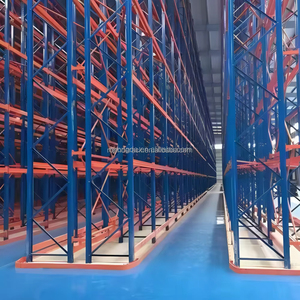
By contracting aisle widths down to 1,500 mm – 1,850 mm, Very Narrow Aisle (VNA) pallet racking systems recover lost surface area, directly yielding up to a 50% increase in storage capacity within identical exterior building envelopes. More crucially for the Nordic climate, a condensed cubic envelope substantially mitigates winter HVAC expenditure. Warehousing operations heating hundreds of thousands of cubic meters against exterior temperatures dropping down to -25°C achieve a dramatic drop in per-pallet thermal operating costs when storage density is maximized through high-bay structural heights exceeding 14 to 17 meters.
Exporting structural racking infrastructure into the Finnish supply chain necessitates strict adherence to European standards. Under the European Committee for Standardization (CEN), steel storage racks are governed by EN 15512:2020 (Steel static storage systems – Adjustable pallet racking systems – Principles for structural design) alongside the overarching design guidelines of Eurocode 3 (EN 1993-1-3 for cold-formed thin gauge members). Unlike warmer operational environments, industrial facilities throughout Central and Northern Finland (such as Oulu and Jyväskylä) demand specialized structural steel grades capable of withstanding brittle fracture under ambient and refrigerated thermal transitions.
Our manufacturing protocol uses high-tensile hot-rolled micro-alloyed strip steel (structural grades S355MC, S420MC, and cold-formed structural steels compliant with EN 10149-2). In deep-freeze cold storage hubs (-28°C to -32°C) utilized by Nordic food supply chains (such as Kesko and S Group networks), steel components must pass strict Charpy V-notch impact toughness tests at lower operating design thresholds. This eliminates cold embrittlement at punch zones, beam connector lug assemblies, and heavy floor anchor points. Upright profiles receive pre-treatment zinc phosphating followed by an electrostatic thermo-hardened epoxy-polyester coating baked at 200°C. This process guarantees an elastic, scratch-resistant surface barrier that withstands condensation cycles without flaking or micro-corrosion.
The operational feasibility of a VNA system depends entirely on precision alignment between the racking structure, floor slab flatness tolerances, and the material handling equipment (such as man-up turret trucks, swing-reach vehicles, or articulated forklifts). In a 16-meter-high Finnish installation, a lateral floor deviation of mere millimeters translates into excessive mast sway at top-tier picking elevations, introducing catastrophic collision risks with top upright beams.
| Technical Parameter | Standard Selective Racking | VNA High-Density System | Finnish Logistics Norms |
|---|---|---|---|
| Clear Aisle Width | 3,200 mm – 3,800 mm | 1,500 mm – 1,850 mm | Optimized for EUR (1200x800) & FIN (1200x1000) |
| Floor Flatness Specification | DIN 18202 Table 3, Line 3 | VDMA 40510 / DIN 18202 Line 4 | Superflat / Laser-ground F-min > 75 |
| Vertical Height Potential | Up to 8.5 meters | Up to 17.5+ meters | Maximizes modern high-bay industrial permits |
| Truck Guidance Infrastructure | Visual / Driver Steering | Inductive (Wire) or Mechanical Angle | Inductive preferred to minimize floor barrier ice trap |
| Throughput Performance | Medium density, open cross-traffic | High speed, simultaneous lift & travel | Continuous integration with automated WMS software |
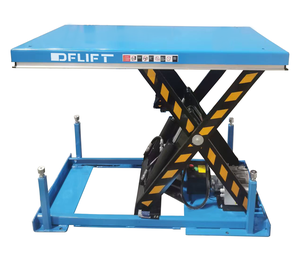
Finnish logistics engineers predominantly choose between two guide systems: Continuous Low-Profile Mechanical Guide Rails (typically cold-drawn structural unequal angle iron 100x75x8 mm anchored using Hilti or Fischer M12 seismic expansion bolts) or Inductive Floor Guidance (Wire Guided). For installations using electric scissor tables for loading integration and pallet trucks, wire guidance remains superior because it eliminates bottom flange tripping hazards and mechanical rail damage caused by cross-aisle traffic.
The logistics landscape across the Nordic region is undergoing an unprecedented digital and sustainable revolution. Key structural trends impacting our Finnish engineering projects include:
The FIN Pallet vs. EUR Pallet Hybrid Geometry: While continental Europe almost entirely operates on standard EUR pallets (1,200 mm × 800 mm), Finland maintains a heavy national dependency on the wider FIN Pallet (1,200 mm × 1,000 mm), standard across the forestry, paper, heavy packaging, and chemical production industries. Our export engineering team provisions bespoke upright frame depths (typically 1,100 mm for EUR and 1,000 mm for FIN pallets) and beam spans (e.g., 2,700 mm for 3 EUR units, or 3,300 mm for 3 FIN units). This custom design balances point deflection, fire safety gaps according to CEA 4001 regulations, and flue space tolerances for in-rack ESFR sprinkler performance.
Transition to Automated VNA (AGV/AMR Integration): Finnish warehouse operators are actively retrofitting manual turret trucks with autonomous guided high-bay vehicles. Automated logistics demand tighter engineering tolerances on rack plumbness (tolerances tighter than 1/1000 of upright height) and load deflection limits (L/250 vs L/200) to ensure automated optical sensors interface safely with stored unit loads.
With over 18 years of specialized manufacturing experience, 500+ major projects completed worldwide, and an engineering team dedicated to international logistics challenges, we operate as a direct factory bridgehead for Finnish developers. Our structural solutions are built from the ground up to solve complex logistics problems through end-to-end manufacturing oversight:
Continuous CNC cold-roll-forming lines manufacture multi-bend omega uprights up to 12 meters in single unbroken sections. This eliminates weakness points and ensures exceptional structural rigidity under maximum dynamic loads.
Certified steel sourcing with guaranteed impact toughness values at sub-zero temperatures (-30°C). All materials are backed by EN 10204 3.1 chemical and mechanical inspection certificates for complete compliance peace of mind.
Clients access an exclusive, real-time Project Tracking System. This platform lets procurement teams monitor every project milestone, including raw coil verification, CNC punching, finishing, ocean freight dispatch, and customs clearance.
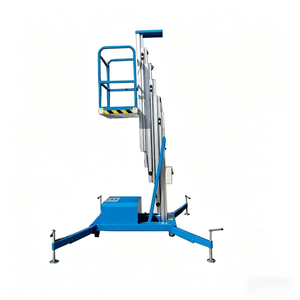
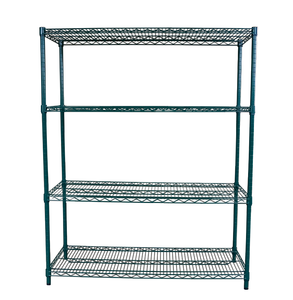
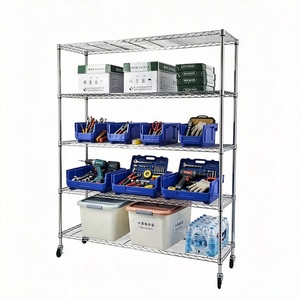
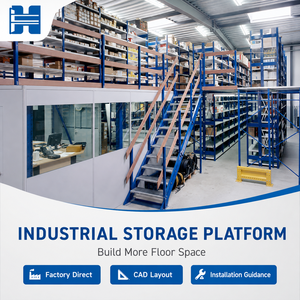
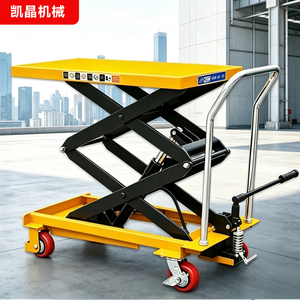
Beyond steel uprights and box beams, our manufacturing range encompasses stationary and mobile electric hydraulic scissor lift tables, structural mezzanine expansions, wire mesh decking panels, and column impact guards.
Finite element calculations (FEA) and physical component destructive testing ensure structural safety factors strictly adhere to European FEM and SFS-EN standards, providing reliable seismic and dynamic safety reserves.
Expert packaging for maritime transit into Port of Vuosaari (Helsinki), Port of Kotka, and Port of Turku. Components are packed in moisture-barrier bundles to ensure unblemished condition upon winter delivery.
Direct answers covering statutory structural approvals, layout planning, and logistics execution.
Our VNA systems are engineered specifically in accordance with SFS-EN 15512 (Steel static storage systems – Adjustable pallet racking systems) and SFS-EN 15635 for inspection protocols. Structural calculation reports (FEA) provide verified beam deflection metrics (limited to L/200 or L/250 for automated handling) and column buckling resistance. Full documentation is provided for municipal building inspections (Rakennusvalvonta) and local occupational safety authorities.
Yes. We engineer dual-compatibility configurations. By designing beam profiles with clear entries of 3,300 mm (to accommodate 3 FIN pallets of 1,000x1,200 mm) or 2,700 mm (for 3 EUR pallets of 800x1,200 mm), and utilizing multi-depth cross-supports or heavy-duty wire mesh decking panels, operators can securely place alternating pallet types without compromising structural load ratings or safety clearances.
For installations where top beam levels exceed 6 meters, floor flatness must adhere to DIN 18202 (Table 3, Column 4) or the specialized VDMA 40510 standard (Guidelines for floor tolerances in narrow aisles). Prior to anchoring, we recommend a complete floor profile audit. If local floor settlement or deviations exist, our engineering team can provide precision leveling shims or coordinate with specialized laser-grinding services.
We routinely deliver under DDP, CIF, or FOB incoterms directly to primary Finnish entry ports, including Vuosaari (Helsinki), HaminaKotka, and Turku. All components are bundle-packed using heavy-gauge plastic strapping, edge protectors, and vapor corrosion inhibitor (VCI) shrink films to prevent salt-fog contamination during Baltic transit. Full customs-ready documentation (EUR.1, commercial invoices, packing lists, and steel mill test certificates) accompanies every shipment.
For sub-zero logistics operations, we fabricate uprights and load-bearing beams from structural steel alloys certified for low-temperature impact resilience according to EN 10025. Standard carbon steels undergo ductile-to-brittle transitions under severe freezing, creating micro-fracture hazards under forklift impact. Our raw materials are tested down to -30°C, complemented by cold-form elastic epoxy-polyester coatings that resist cracking under dynamic loading.
Yes. As a comprehensive intralogistics manufacturer, our catalog includes low-profile stationary scissor lifts, electric hydraulic lifting tables up to 1,000 kg, and manual movable scissor carts. These units integrate directly at aisle entry heads or staging stations, standardizing pallet height interfaces between VNA turret trucks, AGVs, and regional delivery fleets.
Consult with our structural engineering team. Receive detailed AutoCAD layouts, structural capacity calculations compliant with SFS-EN 15512, and an accurate, competitive factory export quotation for your facility.
Get Catalog