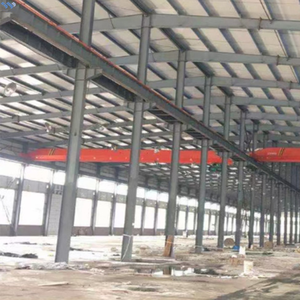
Precision-fabricated using premium cold-rolled structural steel, optimized for heavy-load operations, harsh industrial environments, and dynamic seismic criteria.
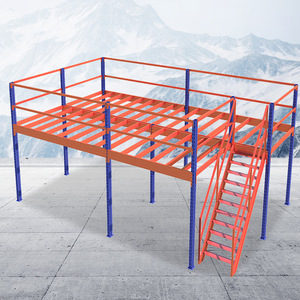
Multi-tier structural cold-rolled steel platform doubling square footage without civil reconstruction; designed for high load capacities and safe mezzanine picking.
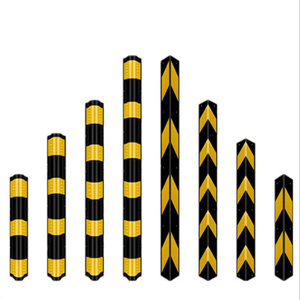
Impact-dispersing composite rubber guard designed to protect critical pallet rack uprights and facility infrastructure from MHE collisions.
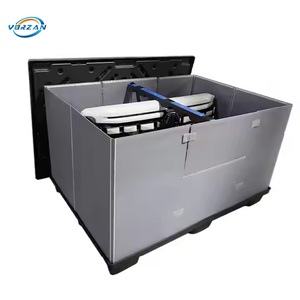
High-density polyethylene returnable transit packaging engineered specifically for closed-loop automotive manufacturing lines and parts storage.
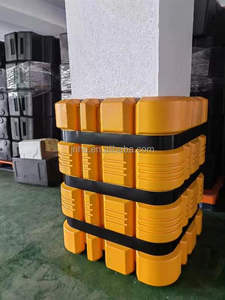
High-visibility safety polymer column wrap engineered to absorb energy and deflect forklift knocks, reducing rack structural maintenance overheads.
Heavy-duty industrial structural platform featuring customizable spans, high uniform distributed loads (UDL), and complete stair/barrier integration.
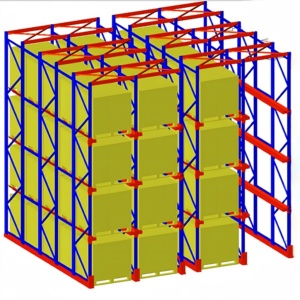
Maximum-density LIFO/FIFO deep-lane pallet configuration, cutting aisle space requirements by up to 60% for cold storage and high-batch SKUs.
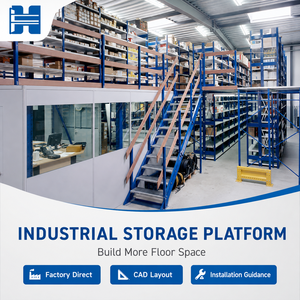
Integrated rack-supported multi-level picking tower engineered to maximize cubic volume in high-throughput fulfillment centers and parts distribution hubs.
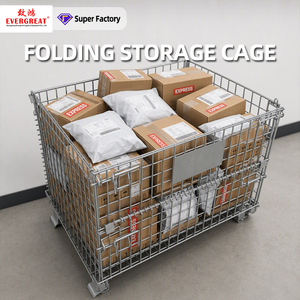
Rigid yet collapsible zinc-plated wire storage cages offering immediate visibility, self-cleaning ventilation, and full compatibility with racking beams.
In modern industrial logistics, procurement of heavy-duty pallet racking systems represents a long-term capital decision where engineering reliability intersects directly with life safety and operational resiliency. For multinational enterprises, 3PL providers, and domestic manufacturing giants operating throughout Japan—encompassing primary distribution nodes in Tokyo Bay, Kanagawa, Osaka, Nagoya, and Fukuoka—structural storage solutions face operating demands distinct from virtually any other industrial market worldwide.
The convergence of frequent seismic disturbances, exceptionally high industrial real estate land premiums, and rigorous municipal fire prevention codes necessitates a sophisticated approach to pallet rack design. Storage racking is not merely static steel shelving; it is a critical structural load-bearing system that must bear hundreds of metric tons of dynamic inventory above active material handling personnel and automated guided vehicles (AGVs).
Our organization bridges global manufacturing scale with bespoke regional engineering. By utilizing certified high-yield cold-rolled steel, finite element analysis (FEA) modeling, and specialized base-isolation anchor fixtures, our storage structures deliver verifiable structural stability, unmatched lifespan, and unyielding safety margins under maximum capacity loads.
Industrial warehousing in Japan has evolved beyond standardized pallet storage. To achieve maximum throughput while controlling footprint costs, supply chain operators demand highly targeted racking typologies adapted to specific geographic and sectoral conditions.
Concentrated extensively around coastal logistics zones like Yokohama, Kobe, and Hakata, refrigerated warehouses operate at sub-zero temperatures (-25°C to -30°C). Our low-temperature ductile cold-rolled steel profiles resist hydrogen embrittlement and thermal stress cracking. High-density drive-in systems and mobile shuttle racking are configured with specialized seismic braking mechanisms that prevent beam dislodgement during micro-tremors.
Serving Tier 1 and Tier 2 automotive supply chains across Aichi Prefecture, where just-in-time (JIT) fulfillment is paramount. We engineer ultra-heavy selective and dynamic carton-flow hybrid platforms that house heavy die components, motors, and collapsible automotive bins. Racks feature reinforced impact guards and high-load cross beams ensuring zero beam deflection under intense cycle rates.
Driven by skyrocketing parcel volumes in Chiba, Saitama, and Kanagawa, multi-tenant logistics properties (Ramp-up DCs) demand massive vertical storage density. We engineer multi-tier mezzanine platform systems and narrow-aisle (VNA) racking spanning up to 15 meters clear height. These integrate wire mesh decking for NFPA/Japanese Fire Service Act sprinkler compliance, automated conveyor interfaces, and dedicated picking galleries.
Regulated by stringent Japanese GMP standards, these cleanroom-adjacent distribution hubs require smooth epoxy-coated, particulate-free structural profiles. Modular column configurations integrate anti-topple overhead bracing and fall-prevention back mesh to prevent sensitive cartons and bio-containers from tumbling during high-frequency regional seismic shifts.
High-load fabrication centers throughout Osaka and Kitakyushu require specialized heavy-duty industrial cantilever and customized open-bay racking capable of storing long steel coils, extruded tubing, and oversized palletized plates with uniform distributed load capacities exceeding 3,500 kg per beam level.
Understanding where the market is moving is essential for infrastructure investments designed to last 20+ years. Four structural transitions are currently redefining storage procurement across Japan:
With statutory caps on truck driver overtime hours fully active in Japan, distribution hubs face severe operational throughput constraints. Warehouses cannot afford slow picking cycles or disorganized yards. As a result, racking architecture is moving swiftly toward narrow-aisle automated configurations, integrating seamlessly with autonomous forklifts, AMR shuttles, and pick-to-light vertical mezzanines that minimize manual travel distance and optimize load turnarounds.
Traditional rigid anchoring into concrete slabs is being upgraded across modern logistics developments. Leading-edge heavy-duty racking now frequently specifies dampening anchor plates, elastomeric seismic isolators, and energy-dissipating dynamic cross-bracing. In the event of a significant seismic event, these specialized dampening mechanisms absorb kinematic shock energy, preserving inventory value, protecting warehouse staff, and preventing structural progressive collapse.
Japan’s standard logistics pallet format—the JIS T11 (1,100 mm × 1,100 mm)—demands beam calculations distinct from European (1,200 mm × 800 mm) or North American (48" × 40") dimensions. Our structural frames are tailored specifically around T11 load geometry, ensuring zero overhang hazard, optimal post-to-depth alignment, and uncompromised structural column clearance along high-density run aisles.
Japanese procurement leaders are held to aggressive Scope 3 carbon reduction metrics. The steel used in our industrial racking lines is produced with traceable energy metrics, featuring high-durability, non-toxic electrostatic powder coating with low-VOC emission curing. Long product life cycles, modular reconfigurability, and 100% recyclability align directly with corporate Sustainable Development Goals (SDGs).
For more than 18 years and across over 500 major logistics installations, our engineering group has set benchmarks in heavy-duty storage infrastructure. Sourcing racking systems for mission-critical operations requires dealing with a manufacturer that combines technical accountability with flawless project execution.
Every facility layout is developed from ground floor slab data, concrete psi ratings, ceiling clearances, and MHE turning geometries. Our structural engineering team conducts dynamic simulation and load optimization to ensure your layout achieves maximal capacity without safety compromise.
Unlike conventional suppliers, our proprietary real-time Project Tracking System gives procurement executives and facility managers 100% digital visibility into raw material processing, quality assurance staging, export logistics, and installation milestones.
A racking structure is only as reliable as its protection systems. We supply an integrated ecosystem of cold-formed uprights, heavy-duty rubber-steel hybrid corner protectors, heavy-gauge beam safety pins, wire mesh fall barriers, and load advisory plaques.
Technical and procurement considerations answered by our senior structural logistics engineering desk.