Rough terrain mobile equipment operates at peak efficiency when integrated with reinforced perimeter protection, heavy-duty racking, and modular containment systems designed for Seoul's industrial yards.

The Seoul Metropolitan Area—encompassing Seoul proper, Incheon Port Logistics Corridor, and the surrounding Gyeonggi-do province—represents an exceptionally dense, topologically complex industrial ecosystem. In this region, flat land is at a premium, requiring extensive vertical development, mountainous grading, and intense multi-surface cargo operations. Standard counterbalance forklifts suffer severe transmission shocks, mast oscillation, and axle fatigue when deployed across unfinished graded soils, fractured concrete staging pads, and heavy industrial yards subjected to severe freeze-thaw cycles.
Rough terrain forklifts (RTFLs), characterized by high ground clearance, oscillating steer axles, robust four-wheel drive (4WD) powertrains, and heavy-duty differential locks, have evolved from niche agricultural machines into frontline logistics assets for Seoul's heavy industrial, maritime, and infrastructural sectors. Procuring rough terrain material handling machinery for the Greater Seoul market is governed by rigorous technical prerequisites: compliance with the Korean Occupational Safety and Health Agency (KOSHA), stringent Tier 4 Final / EU Stage V clean emission mandates, and optimized thermal management systems capable of sustaining -15°C sub-zero hydraulic responsiveness during Korean winter cold snaps.
Before examining the leading factories and exporters servicing South Korea, procurement engineers must benchmark core operating parameters against the realistic demands of Seoul's topography, climate, and structural codes:
| Evaluation Parameter | Standard Global RTFL Spec | Optimized Seoul Capital Area Spec | Operational Significance for Seoul |
|---|---|---|---|
| Powertrain & Emissions | Stage III / Tier 3 Mechanical | Stage V / Tier 4F or 80V LiFePO4 Dual AC | Mandatory for Seoul Low Emission Zones & KOSHA indoor/outdoor cross-over |
| Hydraulic Fluid Rating | ISO VG 46 Standard Mineral | ISO VG 32 Synthetic Low-Pour (-40°C) | Prevents cavitation and valve sluggishness during Han River basin sub-zero winters |
| Ground Clearance & Approach | 220 mm / 25° Approach | 280–320 mm / 32°+ Approach Angle | Essential for navigating steep Gyeonggi logistics ramps and unimproved fill |
| Turning Radius (3.5T Class) | 3,800 mm – 4,200 mm | < 3,200 mm (True Compact Chassis) | Crucial for constrained urban brownfield redevelopments in Yongsan and Gangdong |
| Mast Damping & Tilt | 10° Forward / 12° Backward | Dynamic Load Moment Damping + 12°/15° | Safeguards fragile high-value electronics and precision auto components on rough ground |
| Safety & Telematics | Basic Analog Sensors | CAN-Bus, KOSHA Overload Cutoff, IoT | Real-time Korean telecommunications network reporting for fleet compliance |
The following comprehensive directory details the premier original equipment manufacturers (OEMs) and specialized export factories engineering high-specification rough terrain forklifts for Korean supply chains, general contractors, port authorities, and logistics developers.
Understanding how rough terrain forklifts perform requires analyzing the micro-environments of South Korea’s major economic sub-districts:
Exposed to severe salt-spray, brackish humidity, and uneven asphalt/gravel storage aprons, rough terrain forklifts deployed along the Gyeongin Canal and Incheon New Port must feature marine-grade zinc-rich primer coatings, sealed planetary hubs, and IP67 electrical wiring harnesses to handle heavy 20ft and 40ft maritime container unstuffing operations without premature chassis corrosion.
Yongin and Icheon serve as the primary cold chain and e-commerce distribution nodes feeding Seoul’s 26 million consumers. Unpaved overflow yards, high slope grades exceeding 18%, and winter ice accumulation necessitate high-torque 4WD powertrains with automated mechanical locking differentials to transfer heavy pallets of food, pharmaceuticals, and consumer electronics safely into covered staging areas.
Deep-foundation civil excavations and dense skyscraper construction in downtown Seoul demand rough terrain forklifts with minimal acoustic footprints, zero toxic particulates, and high maneuverability. Here, compact 4WD electric rough terrain units equipped with non-marking aggressive lug tires transport structural steel, piping, and curtain wall modules over graded aggregate without damaging finished street pavement.
Deploying a powerful 3.5-tonne or 5.0-tonne rough terrain forklift without complementary storage and impact mitigation infrastructure introduces severe structural risk. Rough terrain forklifts inherently generate higher kinetic momentum, wider oscillating sweep angles, and greater dynamic wheel loads than standard indoor cushion-tire units.
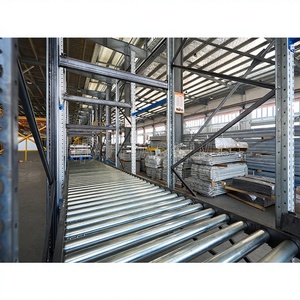
To secure high-capacity logistics yards across Seoul, top logistics directors pair rough terrain forklift fleets directly with engineered perimeter protections and heavy storage fixtures:
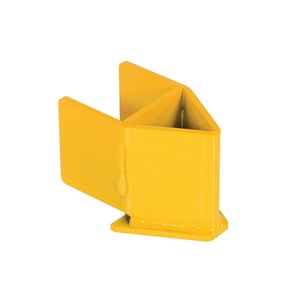
Heavy lugged tires easily clip standard rack bases during tight turn transitions. Installing heavy-gauge electrostatic powder-coated steel rack upright column guards absorbs high-energy fork impacts, preventing racking collapse and structural downtime.
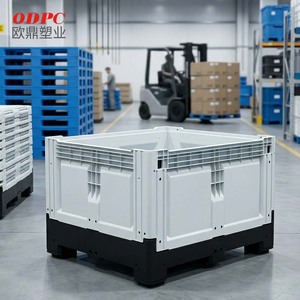
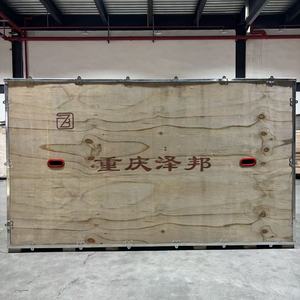
Vibrations caused by uneven ground can crush weak packaging. Transitioning to 4-way entry heavy-duty stackable plastic bulk containers and nailless steel-edge solid cargo crates prevents product loss during rugged transport.
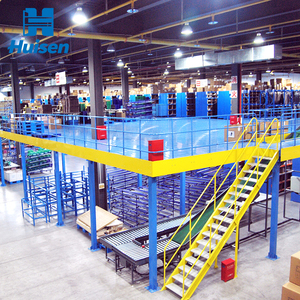
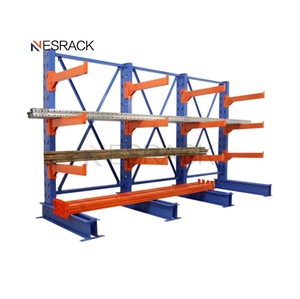
Rough terrain forklifts transporting long extrusions, timber, or construction formwork require specialized industrial cantilever storage racks and corrosion-resistant modular logistics mezzanine platforms to maximize vertical volume over high-rent Seoul properties.
Korean industrial procurement has shifted significantly over the past 24 months, driven by regulatory modernization, corporate sustainability standards (K-RE100), and rapid technological convergence:
Backed by more than 18 years of technical mastery, over 500 completed heavy-duty logistics and industrial projects, and complete end-to-end integration across machinery and storage infrastructure, our team delivers decisive advantages for Korean supply chains:
We do not deliver generic machinery. Every rough terrain forklift, platform lift, and storage system is calibrated to your exact ground topology, approach angles, aisle widths, and unit weight distribution, ensuring complete harmony between vehicles and warehouse racking.
Our exclusive digital Project Tracking System—a standout capability in the heavy equipment sector—allows Seoul procurement managers to monitor machine manufacturing, containerized staging, ocean freight transit, and final delivery milestones in real time with transparent oversight.
Every structural weld, hydraulic cylinder, and powertrain assembly complies with strict ISO 9001 quality controls, CE certification, and KOSHA-aligned safety specifications, providing structural peace of mind and full statutory compliance from day one.
Comprehensive technical and commercial answers addressing common inquiries from Korean equipment managers, import specialists, and site directors:
From custom-engineered 4WD rough terrain forklifts to heavy-duty protective racking accessories and modular industrial mezzanines, our team engineers solutions tailored to your operational conditions. Speak with our technical engineers today.
Inquire Now