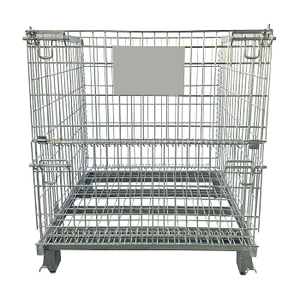
Seamlessly integrating heavy-duty structural racking with high-efficiency electric material handling equipment, perfectly dimensioned for European standard profiles.
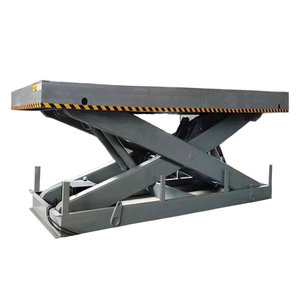
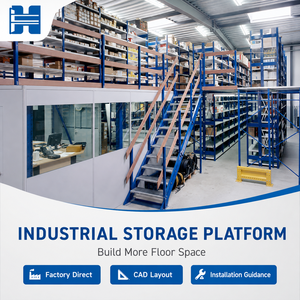
A comprehensive examination of why Hamburg logistics clusters are transitioning to Chinese direct-export electric material handling solutions and engineered storage architecture.
The Port of Hamburg (Hafen Hamburg), handling upwards of 7.7 million TEU annually, stands as the premier multimodal logistics backbone connecting the European Union with worldwide trade routes. Within the expansive warehousing corridors of Altenwerder, Billbrook, Waltershof, and the extended logistics clusters along the A1 and A7 Autobahns, industrial storage and intralogistics are experiencing an unprecedented transformation. High urban land costs, stringent decarbonization mandates under the German Climate Action Law (Bundes-Klimaschutzgesetz), and intensive supply throughput have necessitated a structural departure from traditional fossil-fuel counterbalanced trucks to intelligent, lithium-iron-phosphate (LiFePO4) electric material handling units coupled directly with engineered high-density steel racking infrastructure.
As a seasoned China direct-manufacturer and engineering exporter with over 18 years of technical history, we bridge the gap between high-precision, large-scale Chinese manufacturing advantages and the exacting engineering performance standards required by German logistics directors (Betriebsleiter) and procurement executives. The strategic synchronization of high-capacity electric forklifts, precision vertical scissor lifts, and engineered cold-rolled pallet racking constitutes the foundation of contemporary, high-efficiency European warehouse operations.
Equipped with automotive-grade CATL/EVE lithium-iron-phosphate cells offering 4,000+ full charging cycles, zero maintenance, rapid 1.5-hour opportunity charging, and ultra-safe thermal dissipation designed for high-stress container stuffing.
Every mechanical and electrical handling unit exported to the European market complies rigorously with EU Machinery Directive 2006/42/EC, EN 1175:2020 for electrical system integrity, and ISO 3691-1 stability and brake testing standards.
Sourcing directly from our specialized manufacturing plants in China delivers a 35% to 45% capital expenditure reduction against domestic European brands, without sacrificing structural thickness, weld penetration, or electronic controller quality.
Engineered to perform in Northern Germany’s high-humidity maritime climate and high-throughput distribution hubs.
The industrial requirements in the Free and Hanseatic City of Hamburg are characterized by high container turnaround rates, strict environmental regulations within urban residential interfaces, and distinct microclimates ranging from damp, salt-laden air near the Elbe River to temperature-regulated cold chains. Standard off-the-shelf equipment frequently encounters premature electrical oxidation or hydraulic seal brittleness. Our equipment series are explicitly configured for these Northern German localized conditions:
Cross-docking and container de-stuffing in Waltershof. Low overhead guard clearances (sub-2.2m) combined with full free-lift triple masts enable rapid loading inside standard 20ft and 40ft sea containers without roof strikes.
Custom cold-chain packages engineered for food distributors in Billbrook operating down to -25°C. Features heated operator display consoles, IP65-sealed harness wiring, low-temperature hydraulic fluid, and thermal battery jackets.
Supplying Tier-1 and Tier-2 suppliers along the Hamburg-Bremen corridor. Integrating narrow-aisle electric trucks with our heavy-duty adjustable teardrop racks to maximize picking positions for Euro-boxes and heavy stillage cages.
Meeting zero-emission and low-decibel thresholds in Altona and Wandsbek distribution hubs. Electric trucks operate silently below 65 dB(A), enabling night-shift replenishment without breaching local municipality noise codes.
How stringent ESG frameworks and Hamburg's Climate Action Plan are driving technological upgrades.
Germany’s logistics sector is undergoing an accelerated modernization drive. Three primary macro trends dictate the procurement strategies of Hamburg-based warehouse operators:
1. Strict Diesel Phase-Out in Enclosed Logistics Centers: The German Occupational Safety and Health Act (ArbSchG) and the technical rules for hazardous substances (TRGS 554) strictly control emissions from diesel engines inside enclosed spaces. While diesel exhaust particulate matter was previously managed with retrofitted soot filters, progressive German warehouse managers are adopting a full 100% electric policy for all indoor-outdoor handling operations.
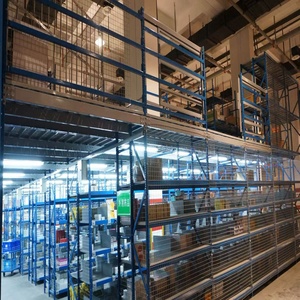
2. Total Synergy Between Racking Heights and Truck Capabilities: As land rental costs in the Hamburg metropolitan zone approach €8.50 - €11.00 per square meter per month, facilities are expanding upward rather than outward. The deployment of 10-meter to 12-meter clear-height modular mezzanine floors and multi-tier industrial racking requires high-stability electric forklifts equipped with rigid mast profiles, electronic sway mitigation, and camera-guided fork carriages.
3. Direct-from-Factory Transparency & Real-Time QA: Sourcing managers are increasingly bypassing regional intermediaries to buy direct from certified Chinese manufacturers. This movement requires verified manufacturing certifications, comprehensive load calculation sheets according to Eurocode 3 (EN 1993-1-1), and clear tracking from the manufacturing floor to the container discharge at Hamburg port.
| Equipment / Engineering Category | Standard Baseline Configuration | Export Specification for Hamburg (DE) | Regulatory & Norm Compliance |
|---|---|---|---|
| 3-Wheel Electric Forklift (1.6t - 2.0t) | Lead-Acid 48V, Standard DC Motor | Dual-AC Drive, 48V/400Ah CATL LiFePO4, Non-Marking Tires | CE, EN 1175:2020, DIN EN ISO 3691-1 |
| 4-Wheel Heavy Electric Truck (3.0t - 5.0t) | 80V Lead Acid, Open Cabin | 80V/600Ah Fast-Charge LiFePO4, Fully Enclosed Heated Cabin | CE, Machinery Directive 2006/42/EC |
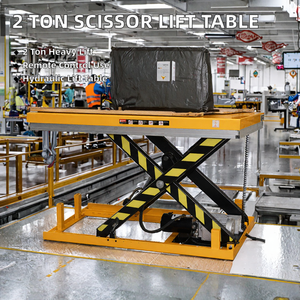
| Hydraulic Vertical Scissor Lift | Single Speed Relay Valve Control | Dual-Cylinder Hydraulic Lock, Anti-Pinch Sensors, Overload Cutoff | EN 280, EN 1570-1 Safety Requirements |
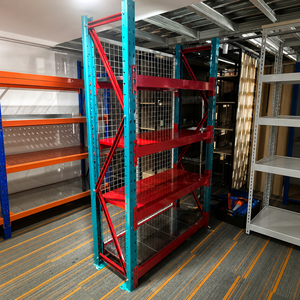
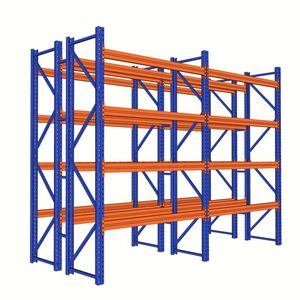
| High-Bay Teardrop / Pallet Racking | Q235 Commercial Structural Grade | Certified Q235B Cold-Rolled Steel, 50mm Pitch, Epoxy Powder Coat | DIN EN 15512, DIN EN 15620, DIN EN 15635 |
| Heavy Industrial Mezzanine Platforms | Standard Steel Beam Bolted Grid | High-Tensile I-Beams, Anti-Slip Perforated Steel Deck, 500-1000kg/m² | Eurocode 3 (EN 1993), BGR 234 Guidelines |
Combining 18+ years of structural manufacturing authority with state-of-the-art intralogistics technology.
With an operational legacy dating back to 2005, our engineering operations have evolved from specialized racking and structural steel design into a comprehensive intralogistics supply chain powerhouse. We control the entire production pipeline—from raw coil slitters, automatic cold-roll forming, robotic laser cutting, and automatic electrostatic powder coating to final electrical integration and mechanical stability testing. German buyers benefit from end-to-end engineering authority that guarantees structural precision and electronic reliability.
Decades of field-tested engineering expertise spanning more than 500 major logistics installations globally. We eliminate common assembly discrepancies before cargo leaves our factory floor.
Our digital milestone portal allows European buyers to monitor manufacturing stages, dynamic load test telemetry, weld inspections, and container stuffing operations in real time with absolute transparency.
We do not merely supply machines; we engineer your complete spatial solution. Our CAD/BIM technicians design custom floor plans balancing forklift turning radii with maximum racking storage capacity.
Clear, technical, and regulatory answers addressing commercial imports to Germany.
Receive a fully specified engineering layout, custom equipment quote, and detailed logistics breakdown for your facility in Hamburg or the wider German market within 24 hours.