Precision-engineered transport trollies, automated retrieval components, and high-tensile structural systems deployed across Middle Eastern and global distribution hubs.


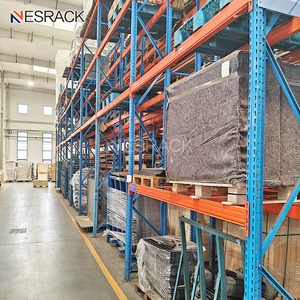
In modern high-velocity fulfillment facilities, material handling operations account for more than 55% of overall warehouse operational expenses (OpEx). Within this critical matrix, warehouse logistic trolleys, roll containers, order picking carts, and tugger train dollies form the primary tactical link between static storage media—such as selective pallet racking and mezzanine platforms—and dynamic sorting hubs. Modern procurement strategies have evolved far beyond treating trolleys as simple rolling commodities; they are now evaluated as load-bearing structural assets that dictate picking ergonomics, worker safety, cycle speeds, and total cost of ownership (TCO).
As supply chain engineering progresses toward automated sortation and high-throughput micro-fulfillment, facilities encounter intense bottlenecks at the interface between human pickers, Automated Guided Vehicles (AGVs), and manual transport trollies. Selecting industrial-grade logistic trolleys requires evaluating metallurgical integrity, kinematic caster configurations, dynamic rolling resistance on industrial flooring, and full compliance with international standards such as EN 15635, FEM 10.2.02, and ANSI MH28.1.
The table below provides a comprehensive engineering benchmark to assist procurement directors, distribution operations managers, and warehouse engineers in specifying internal transport units based on mechanical properties and logistical demands:
| Trolley / Equipment Classification | Structural Metallurgy | Standard Load Capacity | Kinematic Caster Profile | Primary Industrial Use-Case |
|---|---|---|---|---|
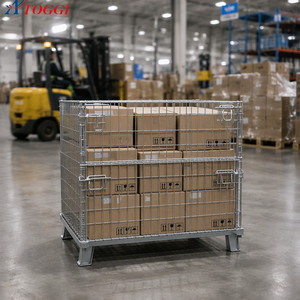
| 4-Sided Mesh Security Roll Cage | Q235 High-Tensile Steel with Bright Zinc Plate | 500 kg – 800 kg | 125mm Polyurethane / Elastic Rubber, Precision Ball Bearings | High-value parcel sortation, retail distribution, cross-docking containment |
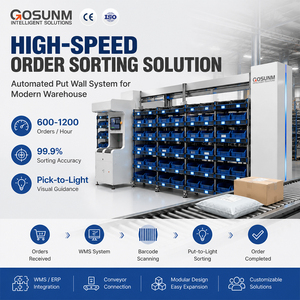
| Multi-Tier Ergonomic Order Picker | Tubular Mild Steel with Electrostatic Powder Coat | 350 kg – 600 kg | Swivel Casters with Total Directional Locks, Non-Marking Nylon | E-commerce bin order picking, batch fulfillment, put-wall interface |
| Heavy-Duty Industrial Tugger Dolly | Welded Structural Channel & H-Section Steel | 1,000 kg – 2,500 kg | Cast Iron Core with Heavy Cast Polyurethane Tread | Assembly line replenishment, lean manufacturing tugger train runs |
| Demountable Post Pallet Stillages | Hot-Dip Galvanized / Heavy Gauge Structural Steel | 1,000 kg – 1,500 kg | Forklift Pocket Guides with Optional Towing Hitches | Bulk automotive part storage, outdoor yard buffers, collapsible returns |
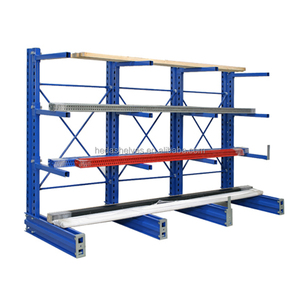
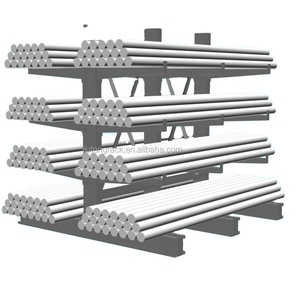
| Cantilever Long-Load Transport Carts | Engineered H-Beam Structural Uprights | 800 kg – 1,800 kg | Heavy-Duty Dual-Wheel Swivel Casters with Foot Brakes | Piping, extruded profiles, raw bar steel staging, timber distribution |
The global warehouse logistics equipment ecosystem is undergoing fundamental architectural shifts driven by labor constraints, sustainability targets, and rapid automation integration. Global buyers must factor the following three structural trajectories into their upcoming procurement cycles:
Trolleys are transitioning from passive manual carts into robot-ready physical substrates. The market is standardizing around optical hitch assemblies, RFID-enabled fleet trackers, and undercarriage tow pins engineered for automated AMR latching systems.
By shifting to advanced micro-alloyed structural steels, leading manufacturers have achieved a 22% deadweight reduction while improving torsional rigidity. Lower deadweight directly minimizes operator fatigue and extends autonomous vehicle battery duty cycles.
High return-freight costs require nesting and collapsible geometries. Modern roll trolleys feature 4:1 nesting efficiency ratios when folded, dramatically reducing empty-leg shipping volumes in multi-branch logistics networks.
Since 2005, Gulf Racking & Shelving LLC, based in Sharjah, United Arab Emirates, has served as a benchmark in industrial storage systems, selective pallet racking, mezzanine platforms, and intralogistics transport solutions across Dubai, Abu Dhabi, and the wider GCC region. With more than 18 years of technical mastery and over 500 major industrial installations completed, our engineering team brings a comprehensive institutional perspective to high-capacity storage and internal transport equipment.
Unlike pure trading intermediaries, we take full operational ownership across the system lifecycle: detailed site assessment, finite element analysis (FEA) layout modeling, precision component fabrication, professional anchoring, and strict compliance sign-offs. Our exclusive Real-Time Project Tracking System gives procurement directors full transparency into manufacturing progress, delivery status, and on-site assembly schedules. Every logistical transport unit, structural cantilever arm, and storage rack profile is built to operate under demanding continuous workloads, providing structural resilience and optimal operational speed.
Direct technical answers addressing the critical mechanical, ergonomic, and compliance questions faced by supply chain decision-makers.
For temperature-controlled cold stores, marine ports, or unconditioned regional warehouses, hot-dip galvanization (HDG) complying with ISO 1461 is the industry benchmark, providing sacrificial zinc protection against oxidation. For indoor e-commerce and retail dry distribution, high-grade electrostatic polyester powder coating (minimum 70–90 microns thickness) provides superior impact, scratch, and chemical resistance while allowing color-coded routing by department.
Caster material selection dictates the initial tractive effort needed to overcome inertia. Polyurethane treads on cast iron or aluminum hubs offer the lowest rolling friction on polished concrete while protecting floor sealants. For noise abatement in retail-facing distribution environments, high-elasticity thermoplastic rubber (TPR) reduces noise below 60 dBA. Specifying precision sealed ball bearings instead of plain roller bearings reduces worker push-pull forces by up to 35%, ensuring compliance with ISO 11228-2 manual material handling guidelines.
Yes. Precision manufacturing requires engineered tow-bars, heavy-duty rear pintle hitches, and Ackerman-style directional steering geometry to prevent tracking drift across multi-cart links. When integrating with automated guided vehicles (AGVs) or electric tuggers, cart tolerances must be strictly maintained within ±2.0mm to guarantee repeatable optical sensor scanning and automated pin-drop engagement.
Procurement leads should mandate mill test certificates (MTC) verifying steel grade tensile strength, dynamic load drop-test certifications, caster endurance cycle test reports (minimum 100km loaded run), and ISO 9001 certified welding process records. For European and GCC installations, full alignment with EN 1757-3 (Safety of Industrial Trucks - Pedestrian Propelled) and relevant local structural safety codes is essential.
Consult with our lead engineering specialists to assess your warehouse clear heights, floor loads, and transport dynamics. Receive tailored 3D equipment layouts and competitive technical quotations.
Inquire Now