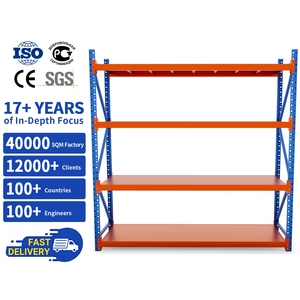
Constructed with hot-rolled and cold-formed structural steel compliant with ISO 9001, ANSI MH16.1, and European FEM 10.2.02 standards. Fully custom-engineered for maximum vertical cubic footprint density, seismic resistance, and extreme pallet payload durability.
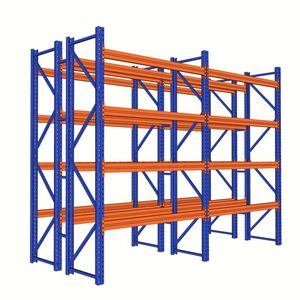
Universal 2-inch punch hole pitch teardrop selective rack system. Optimized for fast boltless beam adjustment, wire mesh decking support, and 100% immediate pallet selectivity across high-turnover logistics hubs.
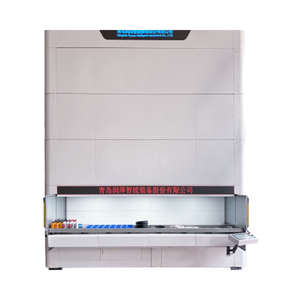
Intelligent modular steel shelving integration paired with automated Vertical Lift Modules (VLM) and WMS software dispatch. Engineered for high-density micro-fulfillment and ergonomic bin retrieval.
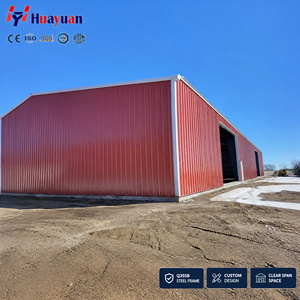
High-strength structural mezzanine platform doubling or tripling facility usable floor area without civil expansion. Built with cold-formed C/Z purlins, safety handrails, and industrial steel bar grating.
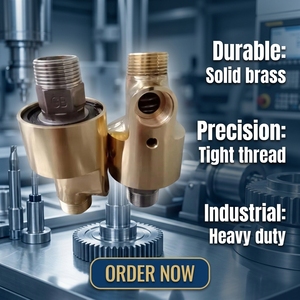
Specialized industrial heavy-machinery component engineered for dynamic cantilever rolling mill shafts, continuous cooling mechanisms, and high-temperature thermal cycling protection under demanding plant operations.
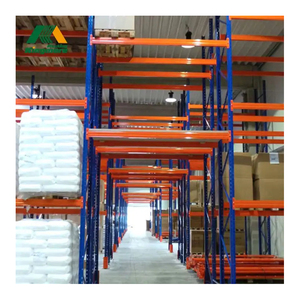
Standard North American teardrop pattern interchangeable upright frames. Welded baseplates, heavy column bracing, and dual-locking safety pins guarantee uncompromising protection in busy forklift transit aisles.
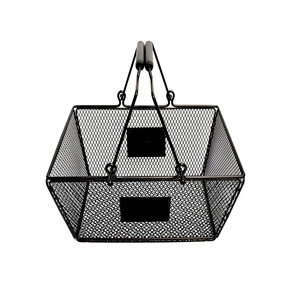
Stackable heavy wire storage baskets designed for rapid picking, retail inventory organization, and warehouse order consolidation. Features electro-zinc plating, fold-down handles, and mesh visibility.
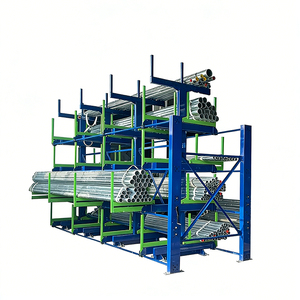
Advanced crank-out or powered telescopic cantilever rack for long stock, structural tubes, bar profiles, and timber. Enables 100% overhead crane access and eliminates forklift turning collision hazards.
Continuous lane drive-in and drive-through storage rack engineered for massive homogenous goods storage. Minimizes operating aisles to boost overall cubic space utilization up to 80% in cold rooms.
Industrial rack procurement requires rigid structural qualification. Unlike standard fabricated steel, pallet racking is a dynamic load-bearing structure subjected to cyclic seismic forces, material handling truck impacts, and live static stress.
| Tier Rank & Benchmark Criteria | Engineering Standard | Material Specification | Safety Deflection Limit | Strategic Export Suitability |
|---|---|---|---|---|
| 1. High-Bay Automated AS/RS Fabricators | EN 15620 / FEM 9.831 | Q355B Hot-Rolled Micro-Alloy | L / 400 (Ultra-Strict) | Global Turnkey 3PL & Mega DC |
| 2. Heavy Teardrop Racking Exporters | ANSI MH16.1 / RMI | High-Yield ASTM A1011 | L / 200 (Design Standard) | North America Logistics |
| 3. High-Density Drive-In & Shuttle Specialists | FEM 10.2.02 / ISO 9001 | Cold-Formed Galv Rails | L / 250 (Continuous Rail) | Cold Chain & Beverage Hubs |
| 4. Structural Mezzanine & Platform Builders | AISC 360 / Eurocode 3 | Primary I-Beams & C Purlins | L / 300 (Live Floor Load) | E-Commerce Sortation Hubs |
| 5. Telescopic Cantilever Rolling Mills | DIN 18800 / EN 1993 | Solid Heavy Plate Weldments | L / 180 (Arm End Cantilever) | Steel Mills & Pipe Depots |
| 6. Narrow Aisle (VNA) Precision Mills | DIN 15185 / FEM 10.2.06 | Q355 High Tensile Uprights | L / 500 (Floor-to-Rail Alignment) | Pharma & High-Tolerance Hubs |
| 7. Standard Selective Pallet Rack Exporters | AS 4084 / EN 15512 | Standard Q235B Cold Coil | L / 200 (Normal Beam) | General Warehousing & Distribution |
| 8. Heavy Longspan Shelving Manufacturers | EN 15635 Safety Standard | Step Beams + Metal Shelf Deck | L / 200 (Hand-Loaded) | Spare Parts & Maintenance Cribs |
| 9. Wire Mesh Decking & Wire Basket Exporters | NFPA 13 Fire Sprinkler Rule | Cold-Drawn Steel Wire 4-6mm | Uniform Load Distributed | Fire Safety & Drop Protection |
| 10. Modular Van & Carton Flow Producers | ISO 14001 / CE Certified | Lightweight High Strength Steel | Ergonomic Manual Roll | Last-Mile & Assembly Kitting |
How emerging supply chain automation, structural sustainability directives, and robotic integrations are reshaping global warehouse racking specifications through 2030.
Tier-one global logistics developers now mandate certified Environmental Product Declarations (EPD). Modern steel racking lines utilize electric arc furnace (EAF) low-carbon recycled steel coils and volatile organic compound (VOC)-free thermosetting powder coating finishes to comply with LEED v4.1 and global ESG carbon boundary reporting.
Traditional forklift aisle layouts are shifting toward automated shuttle and AMR sub-deck designs. Bottom racking levels now incorporate dedicated docking portals, high-precision laser-guided positioning markers, and strengthened floor anchors capable of enduring continuous 24/7 robotic vehicle wheel-load frequency.
Industrial storage structures are adopting IoT-enabled strain gauge sensors attached to crucial upright nodes and beam-to-column connectors. Real-time telemetry detects accidental forklift impacts, micro-deflections, and live overloading, automatically feeding structural integrity alarms into facility SCADA and WMS software.
Global building codes (UBC, IBC 2024, and Eurocode 8) require second-order P-Delta inelastic drift calculations for high-bay racking systems. Modern exporters utilize finite element modeling (FEM) to simulate real pallet loose-box friction and ground motion response spectra, ensuring fail-safe life-safety margins.
Sub-zero blast freezers (-30°C) present acute steel embrittlement risks. Procurement protocols now demand impact-tested low-temperature notch toughness (Charpy V-Notch testing at -20°C ≥ 27 Joules) paired with hot-dip galvanized finishes (≥ 65 μm) to permanently prevent rust creep under high condensation cycles.
High ocean freight volatility has forced exporters to redesign profile geometry. Uprights with split-column bolt splices and nested beam packages maximize high-cube 40ft shipping container loading factors up to 98% volumetric efficiency, reducing intercontinental logistics expenditure per pallet position by 22%.
Backed by 18+ years of dedicated manufacturing and contracting experience in the United Arab Emirates and international markets, delivering turnkey integrity from custom drawing to final site certification.
We eliminate contractor friction. Our internal engineering teams handle laser site surveying, structural calculation books, computerized CNC roll forming, international logistics dispatch, slab anchor pull-testing, and certified commissioning without sub-contractor markups or delays.
Our proprietary cloud-based Project Tracking System provides clients with mill-certificate tracking, production milestone timestamps, container stuffing photos, freight vessel tracking, and daily digital installation logs directly accessible via smartphone or enterprise browser.
Every production batch includes full 3.1 chemical composition and tensile mechanical certificates. We maintain continuous ultrasonic weld verification on beam end-connectors, guaranteeing safety safety factors of 1.65 to 1.95 across static and seismic load combinations.
In-depth engineering answers addressing structural safety standards, steel grade selection, deflection limits, and export logistics procedures.
Q235B provides a minimum yield strength of 235 MPa and ultimate tensile strength of 370–500 MPa, making it the industry benchmark for standard beams, roll-formed deck supports, and light-to-medium uprights. Q355B (formerly Q345) contains manganese and micro-alloying elements, delivering a 355 MPa minimum yield strength with superior low-temperature Charpy impact resistance. Q355B allows for reduced wall thicknesses while handling higher axial compression forces, making it the preferred alloy for tall warehouse uprights (>8 meters), seismic zones, and heavy-duty cold storage applications.
Under RMI (ANSI MH16.1) and European EN 15512 specifications, vertical beam deflection under fully loaded conditions must not exceed L/200, where L represents the clear horizontal span between adjacent upright columns (for a 2700 mm standard beam span, maximum allowable deflection is exactly 13.5 mm). For sensitive automated picking systems or AS/RS applications, deflection limits are restricted to L/300 or L/400. Once the rated uniform payload is removed, the structural beam must return to zero permanent plastic deformation.
Solid timber, plywood, or solid steel decking obstructs ceiling fire sprinkler discharge, creating dry thermal pockets that accelerate warehouse fires. Wire mesh decking fabricated from welded 4–5 mm steel wire grids provides a minimum 70% open area compliance per NFPA 13 regulations. This allows overhead water discharge to penetrate directly through storage tiers down to origin points while simultaneously preventing dropped carton injuries and facilitating air circulation.
Pallet racking installations require a reinforced concrete slab with a minimum compressive strength of 25 to 30 MPa (C25/30 or 3500–4000 PSI) and a thickness of no less than 150 mm to 200 mm. Slab flatness must meet DIN 18202 Table 3 or ASTM E1155 F-min 50–75 tolerances for Very Narrow Aisle (VNA) operations. Each upright baseplate is anchored via heavy-duty M12 to M16 chemical or mechanical wedge anchors torqued to specified manufacturer values (typically 80–120 Nm) to resist shear and overturning moments.
Exported steel components undergo a multi-stage pretreatment process: high-pressure shot blasting to Sa 2.5 standard to eliminate mill scale and rust, followed by zinc-phosphate chemical conversion washing, and an electrostatic powder coating cured at 180°C to 200°C (60–90 μm film thickness). For outdoor or high-humidity environments, components are hot-dip galvanized per ISO 1461. Finished bundles are packaged with vapor corrosion inhibitor (VCI) films, heavy plastic wrap, edge corner protectors, and steel strapping on fumigated timber battens to withstand condensation cycles during sea transit.
Connect directly with our senior structural storage engineers. Share your building layout, clear height, pallet dimensions, and operational payload requirements to receive custom CAD drawings, load calculation sheets, and an all-inclusive factory direct export quote within 24 hours.
Send an Inquiry