Explore our industrial-grade storage solutions, material flow systems, and high-density warehouse products engineered for maximum operational payload, automated integration, and long lifecycle durability.
A technical review of international market leaders providing high-capacity polymer injection molding, rotational molding, and structural foam logistics containers.
| Manufacturer / Brand | Primary Molding Technology | Core Product Categories | Key Strengths & Compliance | Procurement Suitability |
|---|---|---|---|---|
| 1. Schoeller Allibert | High-Pressure Injection, Structural Foam | Foldable Large Containers (FLC), Magnum Helios | ISO 9001, UN Certified | Automotive Tier-1, European standard logistics, closed-loop loops |
| 2. ORBIS Corporation (Menasha) | High-Pressure Injection & Structural Foam | BulkPak Containers, HDR Series, Collapsible Bins | AIAG Compliant, USDA / FDA | Heavy-duty automotive components, North American cross-docking |
| 3. Craemer Group | Single-Piece High-Pressure Injection | CB Series Solid / Perforated Plastic Pallet Bins | DIN EN ISO 50001, HACCP | Meat processing, aquaculture, harsh chemical washdowns |
| 4. Dolav Plastic Products | Heavy-Structural Foam Molding | Solid Box, Perforated Agriculture Pallet Bins | Food Grade HDPE, UV Resilient | Extreme temperature cold storage, fresh citrus harvesting |
| 5. Cabka Group | Recycled Polymer Specialized Molding | CabCube Large Load Carriers, Eco-Bins | ESG Circularity, ISO 14001 | Sustainability-driven supply chains, intermodal freight |
| 6. Myers Industries (Buckhorn) | Rotational & Structural Foam Injection | Heavy Duty Bulk Boxes, Maximizer Containers | DOT Approved, ASTM Tested | Industrial scrap, seed handling, liquid storage bladders |
| 7. AUER Packaging | Multi-Nozzle Precision Polymer Injection | Big Boxes, Collapsible Bulk Containers, KLT | DIN EN ISO 9001:2015 | Rapid replenishment, automated warehouse racking compatibility |
| 8. Utz Group (Georg Utz) | Injection & Vacuum Thermoforming | KLAPA Collapsible Bins, Paloxen Containers | Automated AS/RS Tolerance | Shuttle-compatible warehousing, precision pharmaceutical supply |
| 9. Monoflo International | High-Clamping Injection Molding | Collapsible Bulk Containers, Harvest Bins | FDA Resins, High Impact | High-volume distribution, agricultural packing houses |
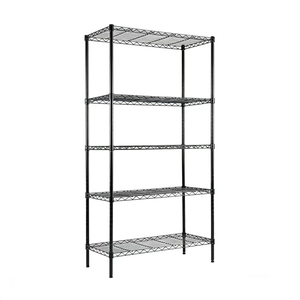
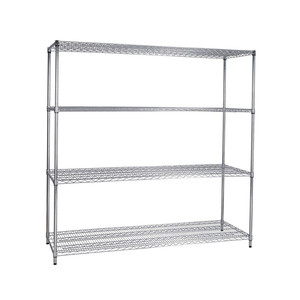
| 10. Gulf Racking & Partner Supply Network | Integrated Cold-Rolled Steel & Polymer Hybrid Systems | Bespoke Warehouse Pallet Racking, Mesh Decking, Industrial Bins | Turnkey Engineering, Proprietary Tracking | Middle East, GCC, and International large-scale distribution centers |
Global supply networks are abandoning single-use wooden packaging in favor of high-yield circular polymers, traceable assets, and automated guided vehicle (AGV) compatibility.
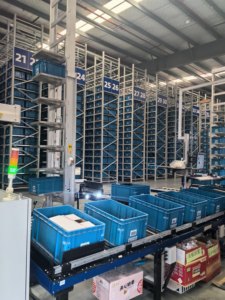
Modern distribution hubs demand rigid dimensional tolerances. Unstable or sagging bins cause costly automated storage retrieval system (AS/RS) jams. Leading manufacturers now build structural ribs and reinforced steel runner inserts into the bin base, ensuring absolute deflection stability under 1,500 kg loads on automated conveyors.
Procurement teams are moving away from manual asset auditing. High-density polyethylene (HDPE) pallet bins now come equipped with molded-in cavity pockets for ultra-high-frequency (UHF) RFID tags, Bluetooth Low Energy (BLE) beacons, and optical barcode inserts, enabling complete visibility throughout the cold chain.
Corporate ESG directives are reshaping resin formulas. Factories are combining virgin food-grade contact layers with certified post-consumer resin (PCR) cores via multi-injection sandwich molding. This significantly reduces carbon intensity without sacrificing tensile flexural modulus.
A deep engineering look into wall geometries, collapsing return ratios, and material mechanical properties under extreme industrial warehouse conditions.
A critical engineering mistake in procurement is failing to differentiate between static, dynamic, and racking load capacities. When pallet bins are stacked 6-high in a bulk storage yard, each bottom bin absorbs up to 5,000 kg of compressive static load.
Modern manufacturers utilize finite element analysis (FEA) to locate corner load-bearing pillars, distributing axial downforce directly through interlocking corners down to the floor slab, effectively shielding sidewalls from buckling.
Freight overhead during empty container return trips heavily affects closed-loop ROI. State-of-the-art collapsible large containers (FLCs) achieve folding ratios of 1:3 or 1:3.5.
This allows a standard 53-foot trailer or 40-foot High-Cube maritime container to transport up to 330 folded bins instead of merely 78 deployed units. Ergonomic quick-release side-wall latches enable single-operator collapsing in less than 25 seconds without specialized tooling.
In meat processing, pharmaceutical handling, and bulk citrus packing, cross-contamination is a key regulatory concern. Modern bins eliminate open cavities, double-wall voids, sharp interior angles, and unsealed ribs where wash water can stagnate.
Smooth, continuous interior radiuses coupled with chemical-resistant high-density polyethylene allow rapid high-pressure washdowns up to 85°C without warping.
Operating from Sharjah across all seven Emirates and international supply nodes since 2005, we combine full-cycle warehouse layout design, heavy-duty racking manufacturing, and material handling integration.
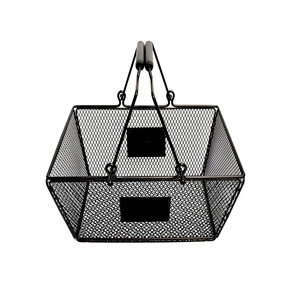
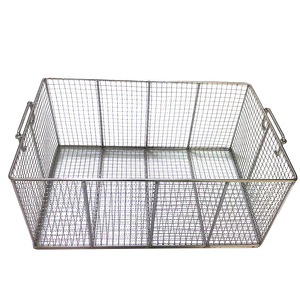
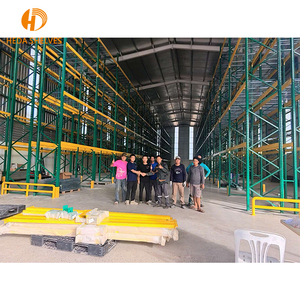
Over 500 completed facilities in Dubai, Abu Dhabi, Sharjah, and global distribution hubs. We engineer integrated solutions where plastic pallet bins, wire baskets, selective racking, and material handling systems operate with zero dimensional conflicts.
Our proprietary Project Tracking System gives clients transparent real-time visibility from initial spatial CAD surveying and load calculation through manufacturing, anchoring, and final third-party safety certification.
Avoid finger-pointing between equipment importers, racking suppliers, and installers. Our in-house engineering team handles structural civil load checks, installation, maintenance, racking expansions, and after-sales support under a unified service SLA.
Consult with our lead technical logistics engineers today. We analyze your unit loads, operational clearing heights, and handling equipment to build a high-density, certified warehouse system that scales seamlessly.
Contact UsKey technical answers for supply chain managers, warehouse directors, and procurement specialists.
High-Density Polyethylene (HDPE) provides superior impact strength and crack resistance under sub-zero conditions (-40°C to +60°C), making it the preferred choice for cold storage, blast freezing, and heavy agricultural harvesting. Polypropylene (PP) provides higher tensile rigidity, lower density, and superior resistance to cyclic dynamic flexing at ambient temperatures, making it ideal for collapsible container sidewalls and high-repetition automotive supply loops.
Solid wall pallet bins are completely water-tight and airtight, making them suitable for handling liquids, powders, industrial sludges, chemical compounds, and small metal fasteners. Ventilated or perforated bins feature precision-slotted sidewalls and bases designed to optimize airflow and drainage, preventing heat buildup and condensation. They are widely used in commercial agricultural produce picking, meat processing, and refrigerated drying storage.
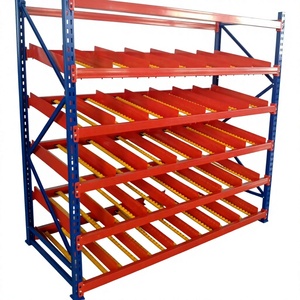
Plastic bins require specific safety engineering when loaded onto pallet racking beams. While 3-runner or full-perimeter bases offer better stability than 9-leg configurations, point-load deflection can still occur under heavy capacities. To ensure full compliance with international safety standards, warehouses should deploy wire mesh decking, structural steel shelf supports, or configure pallet bins with internal galvanized steel reinforcement tubes to prevent creep failure.
A virgin HDPE injection-molded bin with UV stabilizers typically has a service life of 7 to 10+ years in closed-loop supply chains, outlasting treated wood by a factor of five. Lifespan is influenced by operational handling—such as forklift mast impacts, chemical cleaning concentrations, and exposure to direct sunlight. Many manufacturers use modular components, allowing damaged runners or drop-doors to be replaced individually rather than scrapping the entire unit.
Folding Large Containers (FLCs) reduce freight volume on return journeys by 60% to 75% thanks to folding ratios between 1:2.8 and 1:3.5. On a standard long-haul return route, an empty dry van or intermodal sea container can carry up to 330 folded bins instead of approximately 78 rigid units. For cross-border logistics, this reduction in dead-heading freight space often amortizes the initial equipment purchase cost within 14 to 18 operational rotations.
To design an efficient, high-density layout, our engineering team requires: building clear height to the lowest overhead obstruction, column grid blueprints, unit load weights (tare plus payload), pallet bin dimensions, internal temperature requirements, forklift models and turning radii, and target pallet position counts. For custom retrofits, on-site photographs and CAD drawings will significantly speed up layout engineering.