Precision-engineered, high-density LIFO/FIFO dynamic storage systems custom fabricated for global logistics centers, cold-chain hubs, and distribution warehouses.
Combining heavy-duty mechanical engineering, advanced cold-rolled steel profiling, and bespoke load-cart kinetics for mission-critical warehouse workflows.
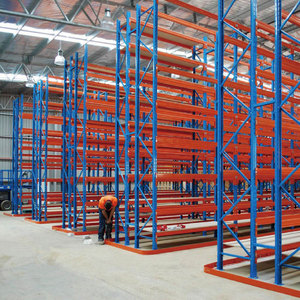
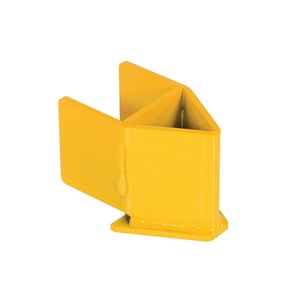
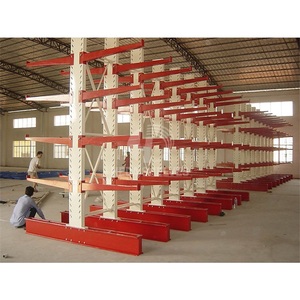
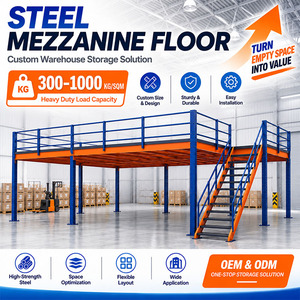
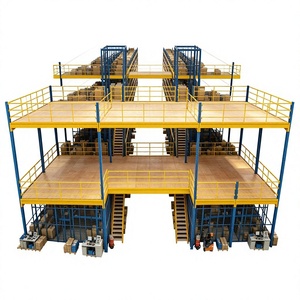
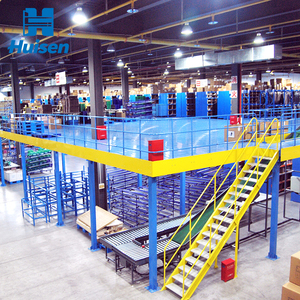
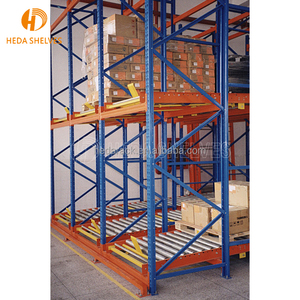
Push back racking systems represent a premier mechanical high-density accumulation method operating under Last-In, First-Out (LIFO) material routing rules. Engineered around low-profile, multi-tiered nesting cart assemblies riding inclined structural channels (typically angled between 1.5° and 3.0°), push back racks eliminate forklift travel within storage lanes. When the primary pallet is lifted during extraction, gravity automatically and safely glides subsequent nested carts down to the picking face at controlled terminal velocities.
From an structural integrity standpoint, OEM/ODM Push Back Racking configurations must resist complex combinations of static dead weight, live dynamic deceleration forces, and eccentric seismic loadings. By leveraging high-yield Q235B and Q355B cold-rolled structural steel, coupled with automated CNC roll-forming tolerances within ±0.5mm, industrial storage density increases by 75% to 100% when benchmarked against traditional selective single-deep pallet layouts.
| Structural Parameter | Push Back Racking (2-6 Deep) | Drive-In / Drive-Thru Racking | Standard Selective Pallet Racking |
|---|---|---|---|
| Space Utilization Rate | 75% – 85% volumetric density | 65% – 75% density | 40% – 50% density |
| SKU Selectivity | High per lane level (Independent levels) | Low (Restricted by entire bay lane) | 100% immediate individual access |
| Forklift Rack Damage Risk | Extremely Low (Zero entry into structure) | High (Frequent mast/rack contact) | Moderate (Flank aisle exposure) |
| Pallet Cycle Throughput | 3x faster than Drive-in architectures | Slower entry/exit speed required | Baseline benchmark |
| Thermal Infiltration (Cold Storage) | Minimal aisle area preserves BTUs | Compact footprint preserves thermal integrity | Excess aisle space causes cooling waste |
Engineered around your precise structural parameters, pallet configurations, and seismic environment.
Custom fabricated nesting carts outfitted with sealed stainless-steel bearings, anti-derailment interlocking catches, and progressive rubber buffer stops engineered to cushion loads up to 1,500kg per cart.
Bespoke fabrication accommodates variable unitized load bases including standard Euro (1200x800mm), Industrial (1200x1000mm), and non-standard plastic, chemical, or timber pallets with custom cart deck outfitting.
Specialized dual-coat electrostatic epoxy coatings and continuous hot-dip galvanizing protocols ensure zero spalling and long-term anti-corrosion resilience in -30°C blast-freezer cold chain storage applications.
How automation, warehouse real estate economics, and cold chain expansions dictate the next generation of racking system investments.
Industrial real estate lease costs across tier-one logistics clusters have climbed dramatically. Procurement trends reflect an aggressive phase-out of static selective racking in favor of push back and high-density gravity systems that compress storage footprints without demanding full building re-engineering.
Refrigerated and sub-zero storage systems present immense electrical overheads. Push back racking optimizes cubic cube utilization, eliminating unnecessary warm-air aisle circulation. B2B buyers increasingly specify push back systems to minimize per-pallet cooling and refrigeration costs.
The convergence of dynamic racking with automated guided forklifts (AGVs) represents a major structural trend. Push back rack pick faces are now integrated with infrared reflective positioning sensors and mechanical cart stops engineered to align with robotic lift mast tolerances.
Global logistics operators now require finite element analysis (FEA) reporting along with mill test certification (MTC) verifying ductile yield strength under localized impact. OEM manufacturing audits focus strictly on EN 15512 and RMI dynamic loading standards.
Over 18 years of technical mastery, 500+ executed turn-key projects, and a single accountable manufacturing team.
Established structural capability backed by more than 500 major warehouse storage installations across industrial hubs, distribution zones, and specialized manufacturing plants.
We eliminate third-party subcontracting risks. Our internal engineering staff conducts initial surveys, prepares load calculation layouts, manages OEM production, oversees shipping logistics, and executes site alignment.
Clients enjoy absolute oversight via our proprietary Project Tracking System. Access milestones, mill certificate records, cart weld NDT inspections, and real-time shipping logs from concept to handover.
Clear, engineering-grounded responses to address critical specifications and operational considerations.
Push back racking typically ranges from 2-deep to 6-deep configurations. Beyond 6-deep pallet positions, push resistance against the nested carts rises significantly, demanding specialized mast hydraulics and posing risks to load stability during insertion. For deeper high-density applications, automated radio shuttle racking is typically recommended.
Standard push back systems depend on bottom-deck board contact with internal steel cart frames. For operations handling variable pallet profiles, weak wooden skids, or corrugated plastic totes, our OEM/ODM division manufactures fully enclosed steel wire or plate decks across all carts to prevent bottom deflection and product jams.
Due to the graduated multi-tier cart assembly (each nested cart adds approximately 35mm to 50mm of stack height) and the 1.5° to 3.0° rail incline, each storage level typically requires 150mm to 200mm more vertical clearance than traditional selective beam tiers. Our engineers account for this in CAD elevation designs to prevent top-clearance binding.
Maintenance overhead is exceptionally low due to gravity actuation. However, scheduled quarterly visual audits must check cart bearing rotation, verify clear debris-free rail tracks, inspect end-of-lane rubber stop bumpers, and measure upright column plumbness in accordance with international safety and maintenance standards.
Yes. If existing uprights and concrete slab load capacities satisfy the increased point-load pressures of condensed pallet bays, push back rail and nested cart assemblies can be retrofitted directly onto existing structural frames. A formal slab loading and structural beam inspection is conducted prior to installation.
To produce an exact structural and cost proposal, our engineering team requires warehouse architectural drawings (clear height under beam, column grid, floor flatness ratings), precise pallet details (length, width, height, maximum loaded weight including pallet), and forklift mast specifications.
Connect directly with our senior racking structural engineering team to request CAD warehouse layout schematics, load deflection analyses, and competitive global export pricing.