Explore our heavy-duty modular solutions fabricated via high-tensile Q235B cold-drawn steel wire, heavy gauge structural tubular sections, and robotics-assisted anti-corrosive finishes.
A rigorous evaluation framework for operations directors, supply chain architects, and intralogistics procurement teams seeking maximized cubic utilization and zero-failure safety tolerances.
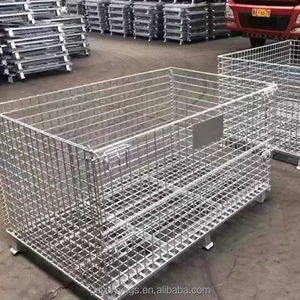
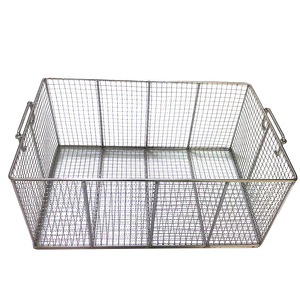
Industrial stackable containers undergo intense dynamic shear forces when moved via counterbalance forklifts and autonomous mobile robots (AMRs). By fabricating bin frameworks from cold-rolled Q235B steel profiles and reinforcing critical perimeter ribs with high-strength structural angles, our storage units guarantee deflection tolerances below 1/250 under maximum rated payload. Cupped stacking feet with self-centering guide notches eliminate stacking slippage, securing up to 4-high to 6-high vertical configurations without auxiliary racking.
In high-humidity coastal hubs, automotive casting facilities, and chemical production environments, premature oxidation compromises structural weld nodes. We implement triple-barrier anti-corrosion regimes: hot-dip galvanization (HDG) conforming to ISO 1461 (achieving >65μm uniform coating thickness) and electrostatic epoxy-polyester thermoset powder coatings evaluated under 1,000-hour continuous salt-spray conditions (ASTM B117). This provides extended equipment life cycles exceeding 15 years.
Unladen container returns represent severe deadhead freight costs. Our engineering team prioritizes a folding kinematic profile that accomplishes up to an 80% volumetric footprint reduction upon de-nesting. Precision drop-gate latches engineered with dual spring-loaded plungers facilitate ergonomic single-operator breakdown in less than 30 seconds, allowing 240+ collapsed storage cages to pack seamlessly into standard 40ft High Cube maritime containers for maximum shipping efficiency.
| Container Variant | Primary Material Grade | Dynamic / Static Rating | Anti-Corrosion Finish | Optimal Operating Environment |
|---|---|---|---|---|
| Foldable Wire Cage (Gitterbox) | Q235B Drawn Wire (Ø 5.8-6.2mm) | 1,200 kg / 4,800 kg (1:4 Stack) | Electro-Zinc + Nano Sealant | Automotive Tier 1-2, E-Commerce buffer zones |
| Heavy Sheet Metal Box | Q235/Q355 High Tensile Plate (2.0-3.0mm) | 2,500 kg / 10,000 kg (1:4 Stack) | Thermoset Polyurethane / HDG | Forging workshops, heavy casting, scrap metal |
| Perforated Stainless Mesh Bin | AISI 304 / 316 Austenitic Steel | 800 kg / 3,200 kg (1:4 Stack) | Electropolished Passivation | Pharma cleanrooms, sterile food processing |
| Modular Galvanized Bin | DX51D+Z Continuous Zinc Steel | 1,500 kg / 6,000 kg (1:4 Stack) | Hot-Dip Zinc (≥ 275g/m²) | Outdoor yards, maritime logistics, cold storage |
Global procurement teams are moving beyond basic cost-per-unit purchasing toward comprehensive lifecycle predictability, digital asset traceability, and direct enterprise-to-factory collaborative engineering.
The standard steel storage bin is transforming into an active data node within IoT-driven supply chains. Procurement mandates in North America and Western Europe increasingly specify recessed passive RFID slots, 2D Data Matrix metal tags, and real-time Bluetooth Low Energy (BLE) asset beacons. These integrated tracking elements withstand automatic ultrasonic parts washing and high-heat drying tunnels without signal attenuation, providing uncompromised transparency across multinational supply loops.
Sophisticated supply chain procurement officers are pivoting away from low-gauge, lightweight sheet containers that buckle under repetitive heavy cycle runs. Although heavy-gauge robotic-welded bins carry a 12-18% initial purchase premium, they exhibit a verifiable operational lifespan exceeding 12 years versus thin-gauge containers requiring replacement within 36 months. Factoring in reduced pallet rack collision damage and reduced downtime gives a lower lifecycle amortized cost.
Cross-border carbon border adjustment mechanisms (such as EU CBAM) are compelling corporate procurement teams to scrutinize the embedded carbon profile of steel fabrications. Top tier Chinese manufacturers are transitioning from coal-fired blast furnace billet supplies to Electric Arc Furnace (EAF) scrap steel feeds powered by solar and hydropower arrays. This shift delivers audited Environmental Product Declarations (EPD) that shield multinational buyers from cross-border environmental taxes.
How automated material handling systems (AS/RS), autonomous vehicle navigation, and robotic order picking are redrawing the blueprint for heavy-duty metal containers.
Historically, steel cages permitted structural tolerances of ±5.0mm. However, modern high-speed crane and shuttle-based ASRS installations demand tight tolerances within ±1.5mm across all structural dimensions. Our automated manufacturing utilizes fully robotic 6-axis welding stations and laser profiling jigs that eliminate angular distortion and thermal bowing during high-temperature weld cycles. This structural consistency ensures that robotic gripper arms, automatic vertical transfer conveyors, and crane extractors operate with zero stoppage risk.
In automated automotive and precision transmission manufacturing, surface abrasion between raw steel containers and finished parts creates micro-scratches that fail quality inspections. Modern stackable bin designs integrate co-molded thermoformed high-density polyethylene (HDPE) internal dunnage liners and bolt-on polyurethane perimeter pads. These sound-dampening, non-marring components absorb mechanical shock during aggressive transit across rough concrete slabs, dampening ambient plant decibels and safeguarding sensitive machined surfaces.
Industrial sustainability initiatives demand the elimination of single-use wood skids and corrugated packaging. Heavy-duty stackable metal bins function as permanent capital assets within closed-loop transit schemes between Tier 1 sub-assemblers and OEM vehicle assembly plants. By deploying repairable, fully recyclable steel containers featuring quick-change replacement hardware (hinges, latches, feet brackets), logistics systems achieve an environmental lifecycle footprint over 70% lower than consumable timber alternatives.
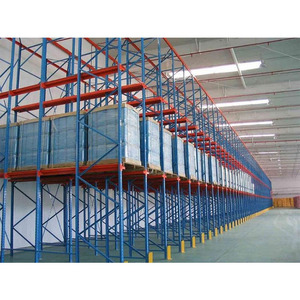
We do not simply stamp out generic boxes; our engineering department validates warehouse layouts, clear heights, concrete slab load tolerances, and material handling fleet specifications to engineer a comprehensive storage ecosystem that unites container sizing directly with pallet racking geometries.
Clients maintain complete oversight of their production schedule through our real-time project milestone system. From raw material heat-lot spectroscopic testing and robotic welding cycles to coating adhesion and third-party Lloyd's or SGS container inspections, every stage is fully documented.
Equipped with dual maritime shipping container packing configurations that prevent in-transit rubbing and salt-air ingress, our factory coordinates comprehensive logistics handling, customs clearance documentation, and localized on-site assembly validation worldwide.
Direct technical answers addressing structural certification, metallurgy, dynamic load verification, and international factory audit procedures.
Dynamic load ratings represent the maximum payload a container can safely bear while being lifted and transported via forklift, subject to acceleration, braking, and vertical vibration forces. Static load designates the gross weight sustained when bins are stationary in a vertical stack (e.g., 4-high or 6-high on a level concrete slab). Our factory adheres to a minimum 3:1 safety factor for static loads and 2:1 for dynamic payloads in compliance with ANSI MH26.2 and FEM 10.2.02 standards. Each production batch undergoes hydraulic compression press testing where structural nodes are loaded to 150% of rated capacity for 24 hours to verify zero permanent plastic deformation.
Q235B is a low-carbon structural steel offering balanced tensile strength (370–500 MPa) and high ductility, making it the industry standard for cold-drawn wire containers and general industrial turnover boxes. Q355 provides higher yield strength (≥355 MPa) and is selected for extreme heavy-duty sheet steel bins bearing dense metallic forging components. AISI 304 and 316 austenitic stainless steels contain high chromium (≥18%) and nickel (≥8%) compositions that generate an auto-passivating chromium oxide film, delivering absolute resistance to caustic washdowns, organic acids, and extreme cold chain freezing temperatures down to -40°C without embrittlement.
Electro-Galvanizing (zinc plating) deposits a 10–15μm uniform zinc layer, which provides an aesthetic, cost-effective finish for indoor dry warehousing and light assembly operations. Hot-Dip Galvanizing (HDG) submerges fabricated steel into molten zinc at 450°C, alloying an iron-zinc metallurgical bond exceeding 65–85μm thickness; this is critical for outdoor storage yards, marine ports, and humid industrial environments. Electrostatic thermoset powder coating provides superior chemical and solvent resistance, customized corporate color coding, and scratch protection, making it ideal for visual inventory management and internal plant operations.
Our stackable containers feature specialized, heavy-gauge stamped cupped feet designed with tapered entry corners and deep retention flanges. When lowered by a forklift mast onto the rim of the lower container, the stacking feet self-center and lock within the structural perimeter tube or heavy wire top-rail. This mechanical interlock prevents lateral translation even in seismic zones or along warehouse floors subject to minor forklift vibrations, providing stable column alignment up to five tiers high.
Our standard production Minimum Order Quantity (MOQ) typically ranges from 50 to 100 units for standard wire mesh containers, and 20 to 50 units for fully bespoke sheet metal or stainless steel assemblies. Following initial 3D CAD design sign-off, a physical first-article sample is fabricated, laser-measured, and subjected to load deflection testing within 10 to 14 business days. Following client sample approval, full container batch production runs are completed within 20 to 30 calendar days, supported by complete material test reports (MTR) and coating thickness inspection logs.
Unassembled or non-folding bins incur severe freight penalties. Our foldable turnover cages collapse to a low-profile 200mm stack height, allowing them to nest compactly. For non-collapsible sheet metal bins, our engineers build nesting draft angles that enable 3-to-1 stacking during transit. Furthermore, our logistics team utilizes computerized loading simulation software (Cape Pack) to customize base dimensions so that container footprints fill maritime shipping containers (20GP, 40GP, 40HQ) with greater than 95% volumetric efficiency, reducing ocean freight costs per unit.
Connect directly with our engineering department for comprehensive load calculations, custom technical drawings, and factory direct quotations.