Tailor-Made Modular Bolt Connection Mezzanine Platform
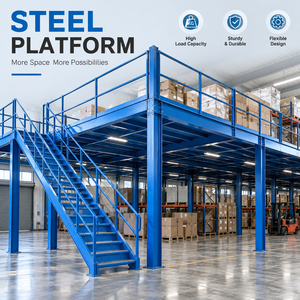
High-capacity structural mezzanine engineered to double warehouse floor space, configured for seamless narrow-chassis electric forklift navigation.
Material handling machinery operates with maximum efficiency only when paired with tailored structural infrastructure. Explore our factory-direct modular platforms, high-bay racking systems, and dynamic impact protection components.
High-capacity structural mezzanine engineered to double warehouse floor space, configured for seamless narrow-chassis electric forklift navigation.
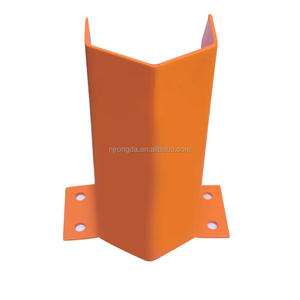
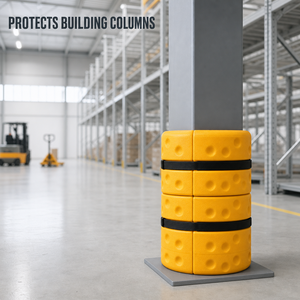
Cold-rolled structural deflection guards shielding high-bay vertical uprights from dynamic vehicle chassis and fork impact stresses.
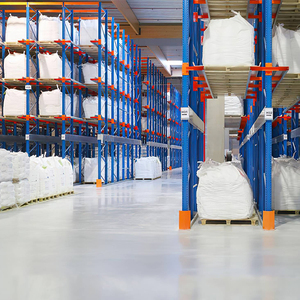
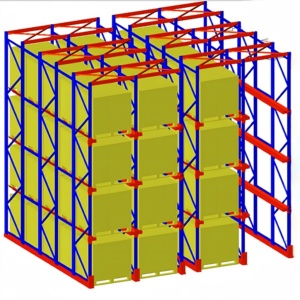
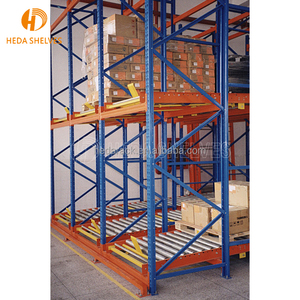
Continuous lane storage maximizing volumetric density for reach trucks and counterbalanced electric forklifts in cold-chain and bulk-SKU environments.
Optimized structural bay rails designed for high-precision entry, accommodating custom wheelbase profiles of modern 3-wheel and 4-wheel electric lifts.
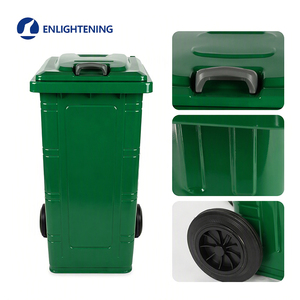
Weatherproof, anti-corrosion bulk collection bins designed with fork stirrup integrations for automated forklift roll-over emptying operations.
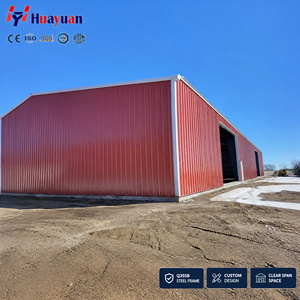
Engineered steel building assemblies incorporating high-load capacity decking, dynamic pallet-drop zones, and integrated hoist interfaces.
Precision energy-dissipating perimeter protection ensuring critical facility building columns remain impervious to vehicular warehouse traffic accidents.
First-in, First-out gravity roller channels streamlining rapid order assembly, eliminating handling bottlenecks for fast-paced logistics hubs.
Global intralogistics has entered a structural paradigm shift. The convergence of strict zero-emission ESG mandates, explosive SKU proliferation within omnichannel fulfilment, and accelerating warehouse labor costs has repositioned the electric forklift. No longer treated as an isolated equipment commodity, it now serves as a central technological node within integrated materials handling ecosystems. As the premier global industrial hub, leading Chinese electric forklift manufacturers have progressed from basic cost-arbitrage assemblers to tier-one innovators commanding lithium iron phosphate (LiFePO4) cell chemistry, synchronous permanent magnet (PMSM) drive units, and intelligent Controller Area Network (CAN-bus) telematics.
Procurement directors evaluating Chinese Tier-1 original equipment manufacturers must scrutinize fundamental engineering architectures across three primary vectors:
Shift from legacy 48V systems to high-efficiency 80V and 300V+ platforms. High-voltage architecture drastically lowers electrical current, reducing resistive thermal losses and enabling true opportunity charging (0 to 100% in 45-60 minutes) without thermal degradation.
Advanced Battery Management Systems integrated into central warehouse management protocols (WCS/WMS). Real-time telemetry continually monitors individual cell internal resistance, thermal status, brake regenerations, and predictive maintenance metrics.
By leveraging dense lithium packs as counterweights rather than retrofitting bulky lead-acid trays, contemporary Chinese designs boast shorter turning radii (Wa) while maintaining exceptional residual lift capacities at heights exceeding 12 meters.
A rigorous Total Cost of Ownership (TCO) evaluation demonstrates why leading warehouse operations are rapidly phasing out legacy combustion and lead-acid forklifts in favor of integrated high-voltage lithium electric machinery:
| Evaluation Parameter | Lithium Iron Phosphate (LiFePO4) | Traditional Lead-Acid | Internal Combustion (Diesel/LPG) |
|---|---|---|---|
| Cycle Life (80% DoD) | 3,500 – 5,000 Cycles | 1,200 – 1,500 Cycles | 10,000 – 15,000 Operating Hours |
| Charging Protocol | Opportunity Charging (Full in <1.5 hrs) | 8h Charge + 8h Cool-Down Required | Fuel Refilling (5-10 minutes) |
| Battery Room Requirement | Zero / Direct Station Plug-in | Mandatory Acid Ventilation & Hoist Room | External Fuel Storage Required |
| Energy Efficiency | 95% – 98% System Efficiency | 70% – 75% Efficiency | 25% – 35% Thermodynamic Efficiency |
| Emissions & Noise | Zero Emissions / Silent Operation | Hydrogen Gas Off-gassing Risks | High CO2, NOx, and Particulate Matter |
| TCO Payback Horizon | 14 – 18 Months | Baseline Assessment | Escalating Operational Expense |
Strategic purchasing decisions over the next five years will be dictated by systems integration, automation readiness, and carbon lifecycle compliance across the supply chain.
Procuring forklifts independent of structural racking engineering is obsolete. Modern supply chains deploy Very Narrow Aisle (VNA) electric man-up trucks and articulated forklifts that require tight tolerance rail-guided or inductive wire-guided floors, requiring exact compatibility with high-load industrial selective racking and post impact protectors.
Leading Chinese manufacturers are increasingly designing chassis with drive-by-wire capability. Warehouses purchase manually operated electric forklifts today that feature plug-and-play mechanical and electrical interfaces for future autonomous conversion (SLAM LiDAR navigation) as facility throughput scales.
As electric forklifts operate in tighter spaces and higher travel speeds, structural protection standards (such as EN 15512 and FEM regulations) require certified column guards, rack end barriers, and heavy-duty corner posts to protect rack structural integrity from continuous operating strains.
Since 2005, our engineering group has bridged the gap between heavy material handling equipment and certified warehouse storage infrastructure. Having delivered over 500 turnkey distribution projects, we guarantee complete operational harmony between vehicle kinematics and warehouse layouts.
Clients access proprietary real-time milestones from CAD clearance verification to delivery, mechanical erection, and load capacity testing.
Over two decades of on-site survey and engineering consultation across GCC industrial zones, resolving challenging slab deflections and building tolerances.
One accountable entity managing racking engineering, steel mezzanines, collision guards, and material handling vehicle specifications.
Comprehensive engineering insights addressing technical specifications, duty cycles, and integration requirements.
Aisle width calculation requires factoring the forklift's chassis width, length from face of forks, turning radius (Wa), load dimensions (length b12 and width), and a mandatory safety clearance margin (typically 200mm). For standard counterbalanced electric trucks, aisles range from 3,200mm to 3,800mm, whereas reach trucks operate within 2,700mm to 3,000mm, and VNA trucks operate down to 1,600mm.
Lithium Iron Phosphate (LFP) delivers superior thermal and chemical stability compared to Nickel Manganese Cobalt (NMC). In industrial environments subject to high mechanical vibrations, severe duty cycles, and elevated ambient warehouse temperatures, LFP exhibits virtually zero thermal runaway risk, tolerates opportunity charging, and achieves over 4,000 cycles without significant capacity degradation.
Two critical values must align: the Overall Collapsed Height (OAL) and the Maximum Fork Height (MFH). The collapsed height must comfortably pass beneath warehouse structural doorways, sprinkler lines, and lower mezzanine girders. The maximum lift height must clear the highest top-beam tier while factoring the rated residual capacity drop-off at maximum elevation.
Electric reach trucks and high-bay forklifts distribute concentrated wheel point loads through polyurethane load wheels, generating substantially higher localized stress than pneumatic tires. The concrete slab must satisfy DIN 18202 or TR34 flatness specifications (DM2 or FM2 standards for high racks) to avoid mast oscillation, with verified compressive strength avoiding slab cracking.
Yes, provided cold-storage modifications are specified during procurement. These packages incorporate low-temperature hydraulic fluid, IP65+ sealed electrical connectors, internal heating resistors for controller enclosures, stainless steel linkages, and enclosed battery thermal insulation with self-heating film elements to prevent rapid voltage drops in -25°C to -30°C environments.
Industrial handling fleets must adhere to annual structural and mechanical inspections under ISO 3691 and national OSHA/civil defense regulations. Critical checks involve mast lifting chains, fork blade heel thickness (discarding if wear exceeds 10%), hydraulic pressure-relief calibration, and structural inspections of all racking uprights protecting against impact damage.