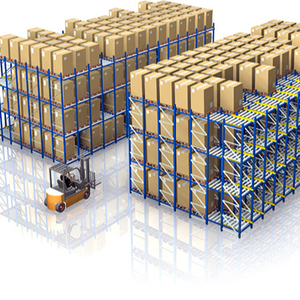
High Density Rack Gravity Flow Racking for Large Load Capacity Storage
First-In-First-Out (FIFO) gravity roller design engineered for high-throughput fulfillment, pallet buffering, and dense inventory velocity.
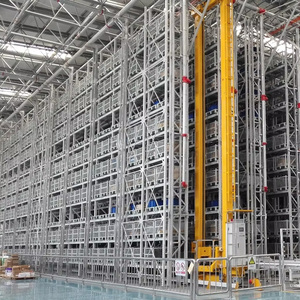
Explore our precision-fabricated storage architectures. From quick-assembly rivet and teardrop boltless systems to dynamic gravity-flow modules and robotic ASRS integrations, every tier is engineered for optimal volumetric efficiency and floor-slab safety.
In modern industrial storage, the transition from legacy bolted frames to high-precision boltless steel shelving represents a fundamental leap in structural mechanics and operational economics. By eliminating threaded hardware, boltless systems harness mechanical interlocking lugs, teardrop perforations, and butterfly slots to form rigid, self-squaring upright-and-beam connections. As a tier-one China supplier and global exporter, our manufacturing plants leverage automated multi-stage roll-forming lines to process commercial-grade Q235B cold-rolled structural steel into tight-tolerance shelf frames that resist torsional shear, axial buckling, and dynamic cyclic loading.
The operational return on investment (ROI) for global B2B procurement heads and 3PL warehouse operators centers on assembly speed and vertical reconfiguration. Bolted installations require calibrated torque wrenches, systematic re-tightening regimens, and substantial manual labor overhead. Conversely, boltless interlocking systems allow complete tier adjustments in seconds without specialized tooling. When paired with high-durability electrostatic powder coatings, precision-stamped steel decking panels, or wire mesh inserts, these units meet international fire-safety and floor-load compliance benchmarks across North America, Europe, the Middle East, and Australasia.
To assist procurement engineers and architectural specifiers in matching steel gauge profiles with live storage loads, our technical team establishes standard operational thresholds across light, medium, and heavy-duty tiers:
| Classification Tier | Cold-Rolled Steel Thickness | Interlocking Joint Mechanism | Safe Working Load (SWL/Tier) | Target Logistics Environment |
|---|---|---|---|---|
| Light-Duty Rivet | 0.8 mm – 1.2 mm (Q195/Q235) | Single-rivet keyhole slot | 100 kg – 200 kg | E-commerce retail picking, archival rooms, garage storage |
| Medium-Duty Longspan | 1.2 mm – 1.8 mm (Q235B) | Butterfly / Claw plug-in | 300 kg – 600 kg | Automotive spare parts, electronics buffering, 3PL cartons |
| Heavy-Duty Industrial | 1.8 mm – 2.5 mm (Q235B/Q355) | Multi-tooth teardrop beam connector | 800 kg – 1,500 kg | Machinery components, raw castings, bonded bulk storage |
| Integrated Mezzanine | 2.0 mm – 3.0 mm + I-Beam grid | High-shear interlock + floor ties | Up to 1,000 kg/m² | Multi-tier vertical fulfillment hubs, micro-distribution |
As international supply chains navigate shifting geopolitical dynamics, rising containerized freight costs, and heightened ESG scrutiny, industrial shelving procurement is undergoing three significant structural evolutions:
1. Decarbonized Steel Metallurgy & Circular Economy Standards: Tier-one European and American importers increasingly require verifiable Product Carbon Footprints (PCF) for fabricated steel assets. Forward-thinking Chinese manufacturers are integrating scrap-based Electric Arc Furnace (EAF) processing alongside traditional blast furnaces. Furthermore, non-toxic, volatile organic compound (VOC)-free thermoset polyester powder coatings have superseded solvent-heavy paint finishes, ensuring compliance with strict indoor air quality (IAQ) and LEED warehouse building accreditations.
2. Volumetric Container Packaging & Nested Knock-Down (KD) Logistics: Global sea freight volatility demands radical optimization of cubic meter (CBM) utilization inside standard 40ft High Cube (40HQ) containers. Next-generation boltless uprights utilize engineered roll profiles that nest seamlessly within one another. Patented interlocking step beams pack flush without void spaces, allowing export packaging engineers to achieve load densities up to 26–28 metric tons per container, effectively minimizing landed transport costs per SKU position.
3. Seamless Co-existence with Robotics (AMRs & AGVs): Modern distribution hubs no longer rely solely on manual cart-picking. Shelving layouts are now calculated around the spatial turning radii, floor levelness (FM2 tolerances), and structural bumper protections needed for Autonomous Mobile Robots. Shelving lower baseplates are widened to distribute dynamic ground shear, and anti-glare, matte beam finishes are applied to prevent lidar/sensor distortion on automated navigation vehicles.
Looking toward the next decade of material handling, boltless steel shelving is expanding beyond passive structural steel into intelligent, sensorized logistical infrastructure:
Integrated Weight-Sensing Micro-Cells: Smart boltless shelving bays are currently being prototyped with low-profile strain gauges recessed directly within shelf support brackets. These micro-sensors continuously calculate the live weight of inventory bins, interfacing via LoRaWAN or industrial IoT gateways to warehouse management systems (WMS) to automate perpetual inventory cycle counts and prevent unsafe loading.
Advanced High-Yield Cold Forming: Innovations in metallurgical cold-work tempering allow the utilization of micro-alloyed ultra-high-strength steel grades (such as Q355 and specialized high-yield hot-rolled pickled coil). By using advanced profile geometries with multiple stiffening ribs along the column flanges, manufacturers can reduce raw steel thickness by up to 15% while achieving identical or superior bending moment resistance, directly reducing raw material depletion and shipping weight.
Over 18 years of direct export excellence delivering structural integrity, verified cold-rolled steel metallurgy, and complete turnkey accountability across international borders.
Over 500 major logistics hubs, high-bay distribution centers, and commercial retail networks supplied globally with structural certifications that strictly adhere to ISO 9001 and international safety standards.
We source prime mill-certified cold-rolled coils with guaranteed yield strengths. Zero sub-standard scrap mixtures, ensuring each upright column and shelf bracket handles its certified working load without fatigue.
In-house CAD/BIM tooling teams engineer customized beam profiles, multi-tier mezzanine attachments, custom punch pitches (50mm/75mm), and private-label retail master packaging tailored for foreign brand distributors.
Our dedicated digital production portal offers transparency from raw steel slitting and continuous roll-forming to electrostatic curing ovens, QC bundle stress checks, and container stowing operations.
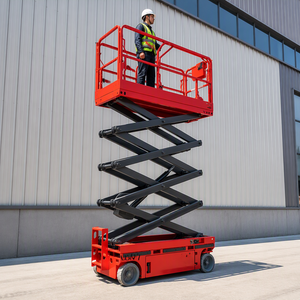
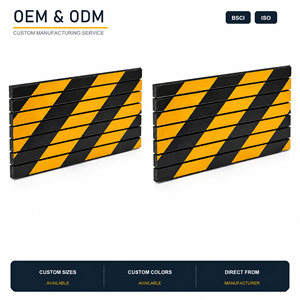
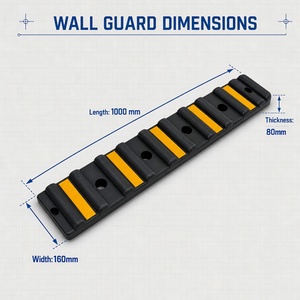
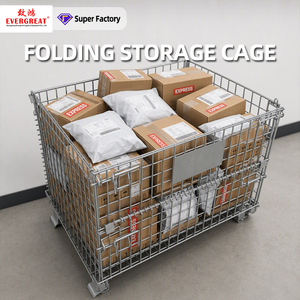
Beyond shelving, we supply entire warehouse handling ecosystems: wire containers, hydraulic scissor lifts, impact rubber guards, and automated ASRS integration interfaces under unified billing.
In-depth answers addressing structural engineering tolerances, packaging densities, surface finishing chemistries, and international container shipments.
Whether you require full container load (FCL) wholesale export pricing, seismic calculations for high-bay boltless racking, or tailored OEM/ODM production, our technical team provides accurate layout designs and detailed commercial quotations within 24 hours.
Get a Quote