Explore standard, heavy-load, automotive-spec, and hybrid collapsible containers tested and certified to European standard load ratings and automated storage systems.
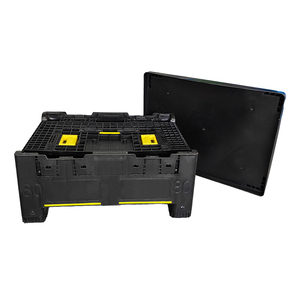
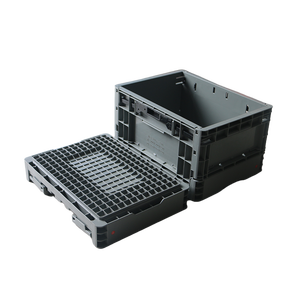
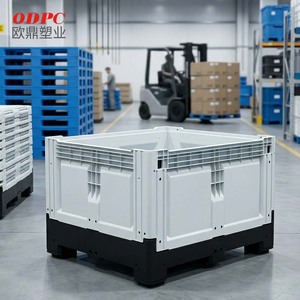
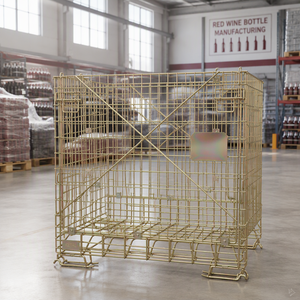
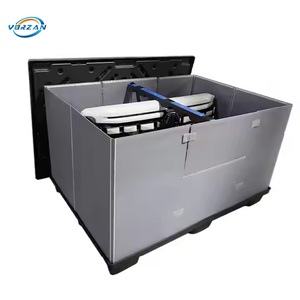



Modern global logistics networks are discarding single-trip wooden skids and fixed metal cages in favor of certified collapsible pallet boxes and foldable bulk containers (FBCs). International safety standards, strict warehouse carbon accountability protocols, and automated picking demands drive this decisive change.
A CE-certified foldable container is an engineered material-handling machine. In high-bay selective pallet racks or automated storage and retrieval systems (ASRS), failure of an upright wall or pallet footing can trigger rack collapse and personnel danger. Certified manufacturing centers on EN 13626 (Packaging - Complete, filled transport packages) and EN ISO 8611 (Pallets for materials handling). Certified containers undergo rigorous deflections tests, drop impact verification at sub-zero temperatures, and cyclic dynamic strain evaluations.
When enterprise procurement units verify CE marks on reusable containers, they protect operations against catastrophic failure modes, ensure mechanical compatibility across universal robotic de-palletizers, and secure complete traceability from raw high-density polyethylene (HDPE) resins through high-pressure injection molding lines.
Material science and supply chain digitisation are advancing rapidly. Procurement directors must anticipate three technological evolutions when entering multi-year supplier frameworks:
| Evaluation Factor | Legacy Bulk Containers | Next-Gen CE Foldable Containers (2025+) | Procurement Benefit |
|---|---|---|---|
| Polymer Matrix | Standard recycled PE regrind without stabilisers | Gas-assist virgin HDPE/PP blends with nano-glass reinforce | +40% impact resistance, lighter tare weight, longer lifespan |
| Track & Trace | Paper manifests or barcode stickers prone to wear | Integrated cavity for UHF RFID, BLE beacons & LPWAN sensors | Real-time visibility into pallet location, temperature, & stock count |
| Reverse Logistics | Rigid structural footprint (1:1 return transport volume) | Optimised multi-stage folding walls (up to 1:4 nesting ratio) | Drastic cuts in dead-heading transport freight and diesel overhead |
| Hygiene Standards | Open ribs that trap moisture, mold, and industrial residue | Hermetically sealed structural walls, drain plugs & flush hinges | Direct compliance with HACCP, pharma cleanroom, & dry storage safety |
With warehouse robotics deploying across the UAE and global logistics corridors, foldable bulk boxes must accommodate AGV and Autonomous Mobile Robot (AMR) fork entries. Deflection rates cannot exceed strict millimetric thresholds under full dynamic payloads (typically 1,000 kg to 1,500 kg). Modern manufacturing uses steel-reinforced skids molded into the pallet base to keep deflection under 5 mm inside automated high-rack channels.
European and Middle Eastern trade zones are rolling out mandatory Scope 3 emissions reporting. Modern bulk shipping units function as trackable assets. Each container carries stamped matrix codes and integrated transponder pockets to report cycle counts, repair incidents, and post-consumer recycled (PCR) resin ratios at end of life.
Supplying enterprise-grade storage hardware requires both manufacturing excellence and complete layout engineering. Operating out of Sharjah, UAE since 2005, Gulf Racking & Shelving LLC bridges the gap between bulk container specifications and complete warehouse infrastructure design, installation, and inspection.
Over 500 warehouse projects completed across all 7 Emirates, matching high-strength bulk containers with selective pallet racking, multi-tier mezzanines, and cantilever platforms.
An exclusive transparent management portal that gives procurement directors live visibility across engineering approvals, custom fabrication runs, and on-site delivery phases.
In-house structural engineers and certified assembly specialists handle dynamic load testing, beam deflection calculations, floor anchoring, and safety handovers.
From CE-certified plastic and steel wire containers to wire-mesh decking, automated pallet jacks, and heavy reach trucks, your handling fleet matches container geometry perfectly.
Key technical details industrial buyers must review before finalising container molds, payload specifications, and pallet rack layouts.
Static load refers to the maximum weight tolerated by the bottom container when stacked on a level floor (e.g., 4,000 kg or 4-on-1 stacking). Dynamic load measures weight integrity while handled by a forklift or AGV (e.g., 1,000 kg). Racking load represents safe capacity when suspended across two open rack beams without bottom support (typically 500 kg to 1,000 kg with internal steel tubes).
ASRS requires strict base flatness tolerances (less than 3 mm deflection), reinforced runner skids with integrated anti-slip rubber pads, chamfered entry angles for robotic sensor systems, and flush outer walls with zero exterior hinge protruding beyond the standard pallet envelope.
Yes. Heavy-duty containers molded from UV-stabilized, high-density polyethylene (HDPE) retain structural properties across temperature ranges from -20°C (cold storage and blast freezers) up to +60°C (ambient Gulf desert transit), resisting chemical corrosion, sun oxidation, and stress cracking.
Side and end drop-down doors allow warehouse workers to access goods directly without destacking the container column. Double drop-down doors on opposite walls support two-person kitting, improve assembly line ergonomic flows, and make cleanroom washouts faster.
CE-certified bulk boxes use interlocking corner post latches and reinforced snap-fit locking tabs along every wall junction. In high-tensile wire mesh designs, heavy-duty helical hinges and dual drop-down slide locks prevent wall deflection under outward bulk pressure.
Unlike single-piece unrepairable bins, modular foldable containers use field-replaceable components: individual side panels, skids, latches, and drop doors. Our technical teams maintain spare inventories, reducing lifecycle replacement costs by up to 60% compared to purchasing new complete units.