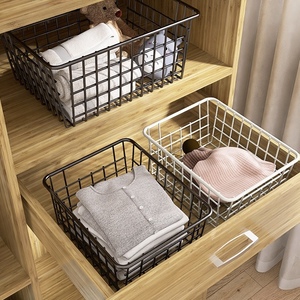
High-tensile zinc-plated and powder-coated wire containment assemblies designed for industrial parts storage, distribution sorting centers, and picking lines.
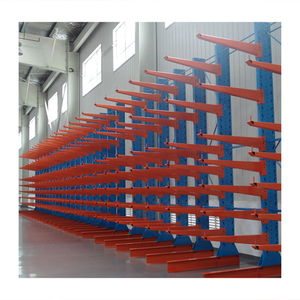
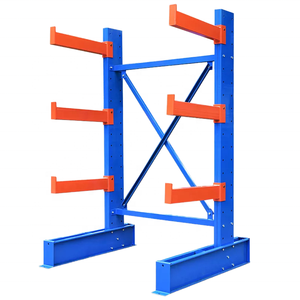
Engineered for long-span steel bars, structural tubes, and lumber bundles. Corrosion-resistant coating, adjustable arm pitches, and 2,000kg+ load capacity per arm tier.
Factory direct I-beam structural steel double-sided cantilever system. Maximizes central aisle efficiency with zero front upright obstruction for heavy pipe bundles.
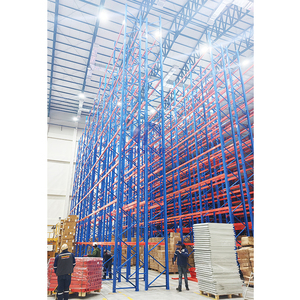
Standardized teardrop slot configuration with certified high-yield uprights. Versatile for palletized inventory, specialized tyre storage cradles, and automated high-bay hubs.
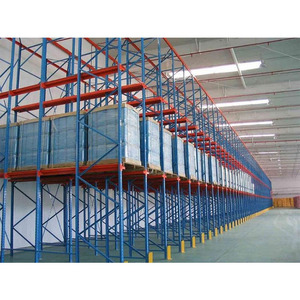
Engineered for cold storage and uniform SKU consolidation. Eliminates picking aisles to achieve up to 80% higher volumetric floor utilization compared to standard layouts.
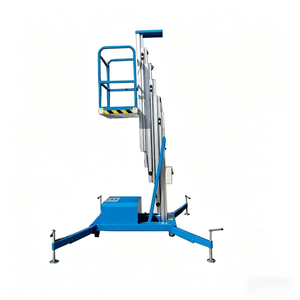
Ultra-low baseline hydraulic scissor lift platform for heavy parts assembly, seamless pallet transfer, and ergonomic operator feeding on continuous production lines.
The Structural Mechanics of Cantilever Engineering: Why CE Certification Dictates Operational Safety
In modern industrial storage procurement, cantilever racking systems represent the most structurally demanding classification of warehouse racking equipment. Unlike conventional selective pallet racking—where downward loads are uniformly transmitted through closed four-post frames and twin horizontal load beams—cantilever racking operates on a true unbraced cantilever arm principle. Every bundle of structural steel piping, aluminum extrusions, timber packs, sheet steel, or PVC conduits transfers concentrated bending moments directly into vertical column uprights via cantilever action.
Without front column supports to restrict deflection, the structural integrity of the assembly depends entirely on the section modulus of the upright columns, the moment-resisting connection capacity at the arm-to-column joint, and the torsional stiffness of the horizontal and diagonal X-bracing bays. This is precisely why obtaining a genuine CE Marking under EN 1090-1 (Execution of Steel Structures and Aluminum Structures) and adherence to EN 15512 (Steel Static Storage Systems), EN 15620, and FEM 10.2.02 / FEM 10.2.09 standards is not merely a bureaucratic milestone—it is a critical engineering safeguard against catastrophic progressive collapse.
Key Engineering Formula & Moment Calculation: In a cantilever system, the bending moment applied to the column upright is calculated as:
M = ∑ (Pi × Li), where Pi represents the point or uniformly distributed load on arm tier i, and Li is the distance from the column face to the center of gravity of the load. Under European Standard EN 15512, maximum permissible vertical arm deflection under safe working load (SWL) must strictly satisfy δ ≤ L / 200 or δ ≤ L / 300 depending on crane or side-loader handling tolerances, while upright lateral sway must not exceed H / 350.
As verified factory manufacturers and specialized exporters, our structural fabrication utilizes certified Q355B (equivalent to European S355JR) high-yield hot-rolled structural steel I-beams (IPE, HEA, and HEB profiles). Compared to lightweight cold-formed roll-formed sheet steel, hot-rolled structural profiles exhibit superior ductility, heightened resistance to dynamic forklift impact shocks, and zero internal residual cold-forming stresses. This structural superiority guarantees long-term dimensional stability even when fully loaded with up to 5,000 kg per arm tier in multi-story configurations reaching heights in excess of 12 meters.
Engineering Comparative Matrix: Roll-Formed vs. Hot-Rolled Structural Cantilever Systems
Selecting the appropriate cantilever profile dictates total cost of ownership (TCO), operational safety margins, and structural longevity. The following technical matrix provides procurement and engineering executives with clear, data-driven differentiation:
Engineering Attribute
Light/Medium Roll-Formed Cantilever
Heavy-Duty Hot-Rolled I-Beam Cantilever
CE / FEM Compliance Standard
Steel Substrate Specification
Q235B Cold-Coiled Carbon Steel
Q355B / S355JR Hot-Rolled Structural Sections
EN 10025-2 / ISO 630-2
Typical Arm Load Capacity (SWL)
250 kg – 800 kg per arm
1,000 kg – 5,500 kg per arm
EN 15512 Safety Factors ≥ 1.4
Maximum System Height
Up to 4,500 mm
Up to 15,000 mm (High-Bay & AS/RS)
FEM 10.2.02 Clearance Envelopes
Connection Architecture
Lug-in hook or 2-bolt light plate
Grade 8.8 / 10.9 High-Tensile Flange Bolting
EN 14399 Structural Bolting Assemblies
Impact Energy Absorption
Moderate; prone to local buckling
Extremely High; ductile deformation profile
EN 15635 In-Service Safety Inspection
Corrosion Resistance Options
Standard Indoor Epoxy Powder Coating
Epoxy Powder / Hot-Dip Galvanizing (ISO 1461)
ISO 12944 Corrosivity Classes C1 to C5
Primary Industrial Application
Plastic profiles, copper tubing, light furniture
Structural I-beams, steel plates, heavy timber
Heavy Industrial Warehousing & Yards
The Exporter Advantage
Why Global Supply Chains Trust Our Engineering & Export Infrastructure
Combining over 18 years of rigorous turnkey contracting experience, 500+ executed warehouse engineering projects, and full-spectrum manufacturing control from raw steel slitting to robotic welding and direct global freight execution.
18+ Years Manufacturing Authority
Since our industrial inception in 2005, our engineering teams have accumulated deep metallurgical expertise. We don't simply assemble catalog parts; we engineer custom stress-distributed solutions that withstand high-cycle loading cycles across the GCC, Europe, Southeast Asia, and the Americas.
Proprietary Real-Time Tracking
Procurement transparency redefined. Clients gain access to our exclusive Project Tracking System, monitoring every fabrication stage in real time: mill steel ultrasonic testing, automated beam punching, shot-blasting, robotic welding, hot-dip galvanization, crating, container stuffing, and maritime shipping logs.
CE Certified EN 1090 & ISO 9001
Our factory facilities operate under strict European CE execution class EXC2 and EXC3 certifications. Every weld seam undergoes strict magnetic particle or ultrasonic non-destructive testing (NDT), ensuring zero structural micro-cracking and guaranteed compliance with EU structural import directives.
Turnkey EPC Single-Point Account
We eliminate intermediary subcontracting friction. From initial on-site 3D laser scanning, seismic geotechnical foundation reviews, and CAD/BIM modeling to overseas containerized export and on-site mechanical erection, our in-house technicians ensure total accountability from concept to sign-off.
Heavy Machinery Synergy Integration
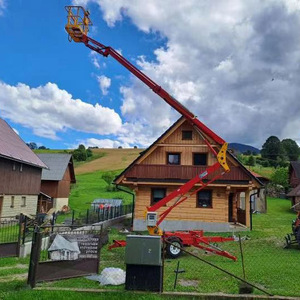
Storage racks do not operate in a vacuum. We supply integrated material handling ecosystems, including articulated cherry pickers, narrow-aisle multidirectional side-loaders, low-profile hydraulic scissor tables, and floor guide-rail systems configured to match cantilever spacing with millimeter precision.
Global Export & Custom Packaging
Structural cantilever columns and projecting arms pose unique shipping challenges. Our automated packing facilities utilize custom steel cradles, vapor-corrosion-inhibiting (VCI) protective wrapping, and seaworthy timber dunnage to ensure pristine zero-scratch arrival across any international port.
How progressive warehouse operators, steel stockholders, and heavy equipment manufacturers are modernizing their long-cargo storage infrastructure through automation, dynamic sensing, and seismic design.
1. The Transition to Mobile Automated Cantilever Bases (Density Multiplication)
Traditional static cantilever layouts demand extensive operational floor area because each storage aisle must accommodate the turning radius and boom swing of heavy-duty side-loaders or multidirectional forklifts. Over the next five years, procurement is shifting decisively toward Motorized Mobile Cantilever Systems. In these installations, structural cantilever uprights are mounted onto heavy-duty electromechanical chassis traversing embedded floor steel rails.
By collapsing multiple static access aisles into a single, dynamically summoned smart aisle activated via warehouse management software (WMS) or remote radio transmission, facilities recover up to 85% more linear storage capacity within identical building envelopes. This capability is revolutionizing high-value refrigerated steel pipe depots, aerospace titanium profile stores, and space-constrained metropolitan distribution hubs.
In accordance with evolving EN 15635 standards regarding the maintenance and inspection of storage equipment, smart cantilever infrastructure is integrating digital strain-gauge micro-sensors and 3-axis inclinometers directly embedded into critical arm root connections and upright base plates. These low-power Industrial IoT (IIoT) sensors transmit real-time stress data over LoRaWAN or Industrial Zigbee protocols.
If an unevenly distributed bundle of heavy structural steel or an accidental forklift mast collision causes the upright to exceed safe vertical deflection limits (δ > H/300) or introduces eccentric torsional twisting, the facility maintenance team receives an automated digital alert before material yielding occurs. This predictive structural telemetry virtually eliminates catastrophic progressive rack failures and slashes annual insurance underwriting premiums.
3. Seismic Resilience Engineering (Eurocode 8 / EN 1998 Standards)
Global procurement teams are enforcing stringent seismic qualification mandates. Cantilever racks storing tons of overhead unconstrained tubular inventory act as massive inverted pendulum structures during earthquake ground accelerations. Modern export factories must supply full finite element analysis (FEA) response spectrum verifications demonstrating performance under localized seismic acceleration parameters (ag).
Our engineering design incorporates patented ductile energy-dissipation base anchors, dual-axis X-bracing towers, and articulated safety stop pins that absorb vibrational shear forces without shearing upright foundation anchor bolts. Furthermore, arm designs with upward inclinations of 2° to 4° prevent smooth round pipes or slippery plastic conduit bundles from sliding outward under vertical harmonic ground oscillations.
With environmental directives such as the EU Carbon Border Adjustment Mechanism (CBAM) coming into active enforcement, tier-one cantilever racking factories are adopting electric arc furnace (EAF) structural steel substrates with documented Environmental Product Declarations (EPD). In surface engineering, the conventional dependence on thin indoor coatings is being superseded by hot-dip galvanization meeting ISO 1461 standards combined with thermoset architectural powder coats. This dual-action barrier provides over 30 years of zero-maintenance corrosion protection in coastal outdoor timber storage yards and high-salinity industrial port free zones.
Procurement & Engineering FAQ
Frequently Asked Questions by Industrial Warehouse Buyers
Detailed technical answers to critical engineering, safety, export logistics, and structural configuration questions encountered by plant managers and procurement executives.
What specific criteria determine whether to specify roll-formed or hot-rolled structural cantilever racking?
The selection depends on three core parameters: safe working load (SWL) per arm, impact vulnerability, and operational height. Roll-formed cantilever racking is typically suitable for light-to-medium loads (under 800 kg per arm tier), such as light timber strips, PVC conduit pipes, and retail carpet rolls where material handling is performed manually or by light reach trucks. For heavy industrial applications—such as solid steel bars, heavy structural tubing, steel plate packs, engine blocks, and outdoor rough-terrain forklift handling—hot-rolled I-beam (Q355B / S355JR) structural cantilever is mandatory. Hot-rolled profiles provide thick flanges and web sections that withstand heavy operational impacts without catastrophic local buckling, and can easily support loads exceeding 3,000 kg to 5,000 kg per arm tier at heights exceeding 10 meters.
Why is CE Marking under EN 1090-1 critical for international cantilever racking imports?
Under European Construction Products Regulation (CPR 305/2011), structural steel elements imported into or installed within regulated industrial markets must carry an authentic Declaration of Performance (DoP) and CE mark under EN 1090-1 (Execution of Steel Structures). Cantilever racking is legally categorized as a load-bearing steel structure. CE certification validates that the factory employs qualified welders (ISO 9606-1), certified welding coordination procedures (ISO 14731), traceable mill-tested steel certificates (EN 10204 Type 3.1), and calibrated Factory Production Control (FPC). Sourcing non-certified racking exposes plant owners to severe legal liability, potential refusal of facility fire and liability insurance coverage, and immediate shutdown by local occupational health and safety authorities upon mandatory in-service inspection.
How are single-sided vs. double-sided cantilever systems balanced structurally?
In double-sided cantilever systems, the central upright column supports cantilever arms on opposing faces. When both sides are loaded uniformly, the overturning bending moments counteract each other, placing the vertical column predominantly under axial compression. However, engineering codes (such as EN 15512 and FEM 10.2.02) mandate that every double-sided column and base connection must be designed for full asymmetrical loading—meaning one entire side is loaded to 100% capacity while the other side is completely unloaded. In single-sided systems (placed against perimeter warehouse walls), the bending moment is entirely eccentric, transferring massive rotational uplift and compression forces into the anchor base plate. Consequently, single-sided cantilever bases have wider footprints and require deeper, high-strength chemical anchor bolts embedded into certified industrial concrete slabs.
What concrete slab specifications are necessary to support heavy-duty cantilever columns?
Cantilever columns do not distribute weight across wide 4-leg frame footprints; they concentrate massive point loads and torsional overturning moments onto small anchor baseplates. For standard heavy-duty structural cantilever systems with loads of 2,000 kg per arm across 4 arm levels (total bay load of 8,000 kg to 16,000 kg), the minimum industrial concrete slab thickness must be at least 200 mm to 250 mm with a compressive strength of C25/30 or C30/37, reinforced with double-layer steel mesh. Furthermore, expansion joints, saw cuts, and slab perimeter edges must be reviewed; post-installed chemical anchor studs (such as M16, M20, or M24 grade 8.8 studs) require specific edge clearance distances to prevent concrete breakout cones under maximum dynamic moment pull-out forces.
How does arm deflection affect handling clearances with narrow-aisle side-loaders?
Under full safe working load, cantilever arms naturally deflect downward under elastic strain. Standard design specifications calculate an arm deflection ratio of δ ≤ L/200 or L/300. To prevent products from leaning outward or pinching adjacent picking tiers, engineered cantilever arms are fabricated with an intrinsic upward camber (typically 1.5° to 3.0° from horizontal). When loaded to maximum capacity, the arm deflects to a perfectly horizontal plane. When operating multidirectional side-loaders or guided narrow-aisle (VNA) lift equipment with tight vertical lift tolerances, our layout engineers factor in this deflection envelope plus a mandatory 100 mm to 150 mm vertical safety clearance between the top of the loaded inventory and the underside of the above cantilever arm.
What protective accessories are recommended to safeguard cantilever installations from forklift damage?
The most critical vulnerable zone in any cantilever rack is the connection between the column and the bottom base chassis, as well as the column faces bordering aisle entryways. We recommend heavy-duty structural steel column wrap-around guards anchored independently to the concrete floor rather than bolted directly to the rack column (preventing impact energy transfer directly into the racking frame). Additionally, for pipe and round-stock handling, spring-loaded or drop-in removable tubular end-stops (pipe stoppers) are critical to prevent rolling inventory from spilling into the aisle. In high-density side-loader aisles, continuous steel guide rails (such as structural angle or channel sections) or inductive wire-guidance tracks should be implemented to guarantee safe vehicle tracking.
Can cantilever racks be adapted to store palletized cargo or mixed irregularly shaped goods?
Yes. Cantilever racking is inherently adaptable through specialized decking inserts. By placing heavy-duty wire mesh decking, hot-dip galvanized steel plate shelves, or timber deck saddles across consecutive cantilever arms, the system functions as a continuous horizontal storage platform without front column interruptions. This allows warehouse managers to store mixed SKUs—such as variable-length pallets, wooden crates, machinery components, and open steel drums—on the same rack tier alongside long piping or timber packs, creating unmatched inventory flexibility.
How does your factory ensure overseas container stuffing efficiency and transport protection?
Long structural columns (ranging from 6m to 11.8m) and heavy projecting cantilever arms represent high-cube, high-density freight challenges. Our export logistics facility utilizes custom modular steel transport frames and CNC-cut timber dunnage configured specifically for 40ft High Cube (40HC) and 40ft Open Top (40OT) containers. All structural components undergo automated strapping, corner foam cushioning, and moisture-absorbing silica desiccant loading with full VCI barrier wraps to avoid maritime salt-fog oxidization. We provide full packing lists, container stuffing balance diagrams, and weight distribution manifests to ensure safe international customs clearance and effortless on-site unloading.
Plan Your Structural Storage Project with Certified Factory Engineers
Whether you are engineering a multi-acre outdoor pipe depot, upgrading high-density lumber racking, or designing a high-bay automated warehouse, our engineering team delivers precise structural calculations, 3D parametric CAD layouts, and direct CE-certified manufacturing pricing.