Warehouse racking is built to carry repeated loads, but a single forklift strike can damage an upright or loosen a connection. The consequences may not be obvious from the aisle. Racking Safety Accessories help reduce exposure to common hazards and make damage easier to spot. Typical products include column guards, rack-end barriers, upright protectors, safety pins, and mesh decking. Small parts matter.
China has a broad base of manufacturers supplying these products to warehouses, factories, and distribution centers. Yet a polished catalog alone does not prove suitability. This guide to Top Racking Safety Accessories Manufacturers in China considers product range, material details, manufacturing capabilities, customization, and communication. It also highlights practical questions buyers can ask, such as whether a guard fits the rack profile, how it is anchored, and what impact or load information is available. Details count.
No accessory can prevent every collision, and no supplier should be judged by price alone. Check dimensions against the installed rack, review drawings and samples, and confirm that product claims match the intended use. Ask how finishes, replacement parts, and delivery schedules are handled. A good fit matters. The comparisons that follow are a starting point, not a substitute for site assessment. Even careful buyers can miss a detail; checking it twice is sensible.
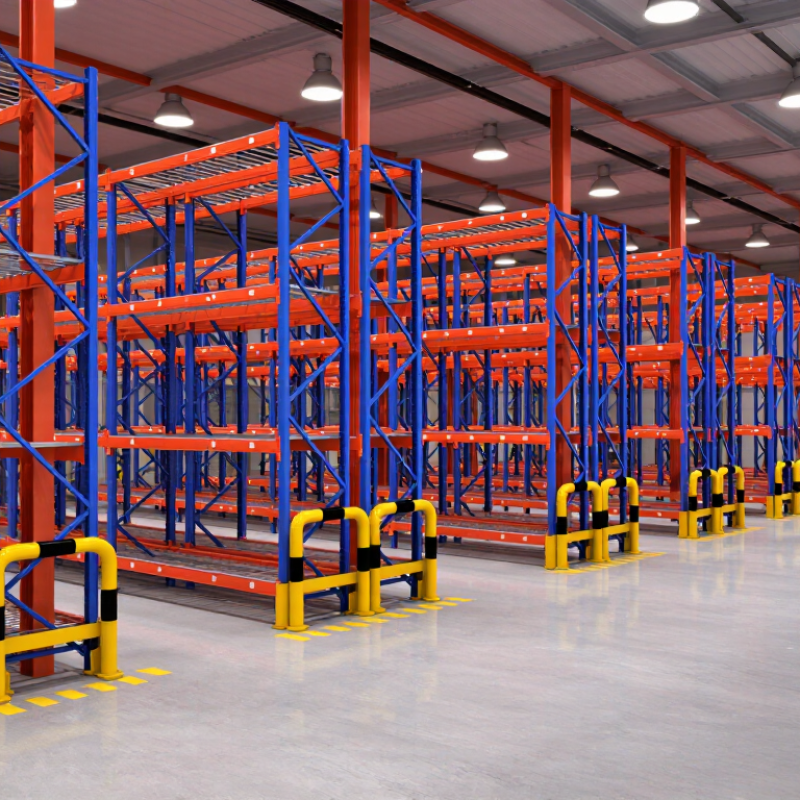
In a busy warehouse, racking safety accessories help reduce damage and keep stored goods stable. Upright protectors absorb knocks from forklifts near aisle corners. Row spacers maintain consistent gaps between back-to-back racks. Small parts matter.
Wire mesh decking supports cartons that might otherwise slip through open beams. Safety pins help prevent beams from lifting if a load shifts. End-of-aisle barriers can reduce direct impact from turning equipment. These components work best when selected for the rack’s dimensions, load ratings, and daily handling conditions. A protector that does not fit correctly may offer less protection than expected.
Regular checks are just as important as installation. Look for bent guards, missing pins, loose fixings, and damaged mesh. Record repeated impacts; they may point to a traffic-flow problem, not merely a weak accessory. When comparing products from manufacturers in China, request clear dimensions, material details, and compatibility information. Photos help, but they do not replace measurements. There is no universal setup. Warehouse teams should follow the racking supplier’s specifications and seek qualified advice when damage or uncertainty appears. Some wear is easy to miss. A quick visual check can overlook a loosened connection, so inspections deserve time.
| Safety Accessory | Primary Role | Typical Location | Common Material or Design | Selection and Installation Considerations | Inspection Focus |
|---|---|---|---|---|---|
| Upright protectors | Help reduce damage to rack uprights from forklift or pallet-truck impacts. | At the base of exposed uprights, especially aisle ends and traffic-facing positions. | Steel or molded polymer designs; may be floor-anchored or attached to the upright, depending on the system. | Choose a protector compatible with the rack layout and aisle traffic. Follow the rack supplier’s installation instructions and avoid drilling or modifying uprights unless approved. | Check for movement, cracked or bent components, loose anchors, and damage to the upright behind the protector. |
| End-of-aisle barriers | Provide a visible physical barrier to help protect exposed rack frames at aisle ends. | At the ends of storage aisles and other vehicle approach points. | Commonly fabricated from steel sections with a high-visibility finish; anchoring arrangements vary. | Allow for vehicle turning paths, pedestrian routes, and emergency access. Barrier foundations and anchors should suit the floor and expected site conditions. | Look for impact deformation, loose or missing anchors, corrosion, and reduced clearance around traffic routes. |
| Row spacers and wall ties | Connect adjacent rows or racks to maintain the intended spacing and arrangement. | Between back-to-back rack rows or between a rack and a wall, where the system design calls for them. | Steel connectors or spacer assemblies designed for a particular rack configuration. | Use only where specified for the rack layout. Connector type, position, and installation should match the rack design; do not treat a spacer as a substitute for an engineered bracing system. | Check for missing, loose, bent, or altered connectors and any change in the gap between rows. |
| Beam safety locks or clips | Help prevent a beam from being accidentally dislodged from its upright connector. | At beam-to-upright connection points. | Rack-system-specific locking pins, clips, or other positive-retention devices. | Use the retention device specified for the beam and upright connection. Confirm it is fully engaged after beam installation or adjustment. | Check that each required lock is present, correctly engaged, and free from visible damage. |
| Rack mesh decking | Provides a supporting surface for stored loads and can help reduce the chance of items falling through beam levels. | Across rack beams, especially where the stored load does not fully span the beams. | Typically welded wire mesh with support channels or other system-compatible decking designs. | Match the decking to beam spacing, load type, and rack configuration. Confirm the stated capacity and support conditions with the supplier; decking does not automatically increase rack capacity. | Look for broken welds, bent wires, displacement, corrosion, and loads that are unsupported or unevenly placed. |
| Backstop beams or pallet backstops | Help limit excessive rearward movement of pallets and stored loads. | At the rear of selected rack bays, where the layout and operating method require them. | Steel beams or stops connected to the rack structure according to the system design. | Position and clearance should be set to suit the pallet, load, and rack arrangement. A backstop is not a substitute for correct pallet placement or load restraint. | Check alignment, connections, deformation, and whether pallets or loads are repeatedly contacting the backstop. |
| Column guards and corner guards | Help shield building columns or vulnerable rack corners from vehicle contact. | At building columns, rack corners, and other exposed structural points. | Steel, polymer, or composite guard designs, selected for the location and impact exposure. | Keep guards clear of required access and egress routes. Select a design appropriate to the site’s vehicle traffic and mounting surface. | Inspect for shifting, cracking, sharp edges, loose fixings, and concealed damage to the protected structure. |
| Load notices and capacity signs | Communicate permitted rack loading and key operating restrictions to warehouse staff. | At aisle entrances, rack bays, or other clearly visible positions. | Printed or durable signs displaying the relevant rack-specific information. | Use current information supplied or approved by a qualified rack designer or supplier. Ensure the sign is readable and reflects the installed configuration. | Check visibility, legibility, accuracy after rack changes, and whether signs are missing or obstructed. |
| Safety netting or mesh panels | Help contain items that could fall from the rear or sides of a storage rack. | Behind or beside rack bays where people, work areas, or access routes could be exposed to falling objects. | Metal mesh panels or purpose-designed netting systems attached to the rack or supporting structure. | Assess the size and type of stored items and confirm that the attachment method is suitable. Netting and panels should not obstruct sprinklers or other building systems. | Look for tears, gaps, damaged fixings, sagging, and items pressing against or overloading the containment surface. |
Note: Accessory suitability depends on the rack design, stored loads, floor conditions, and warehouse traffic. Follow the rack supplier’s instructions and applicable local requirements, and have damaged or altered racking assessed by a competent person.
Common options include column guards, rack-end barriers, safety pins, wire-mesh decking, and pallet backstops. Row spacers and pallet supports are also available.
Match the guard dimensions to the rack upright profile. Check that its anchors suit the floor base and the installation location.
It helps contain loose cartons on the rack. Its capacity must match the beam spacing and the expected load.
No. Safety pins keep beams seated, but they do not correct an overloaded bay. Pallet supports cannot make a damaged pallet safe.
Check the backstop’s position and clearance to limit pallet movement. Row spacers should maintain a consistent gap between back-to-back rack rows.
Ask for compatibility drawings, material specifications, batch traceability, and reports for the exact product model. Similar-looking samples are not enough.
Review weld consistency, raw-material labels, and inspection records. Measure a sample’s fixing holes and compare its coating with the approved drawing.
A guard can bend after a hard strike, even if damage looks minor. I might be overchecking, but a quick inspection seems worthwhile.
Confirm that accessories match the installed rack system, not just the available space. Check packaging and installation instructions too. Small parts matter.
Racking Safety Accessories play an essential role in protecting warehouse storage systems, inventory, and workers from damage caused by impacts, falling items, or everyday operations. This article introduces common accessory types made in China, such as upright protectors, column guards, safety barriers, mesh panels, and rack end protectors, and explains how each can support safer, more organized storage when selected and installed appropriately.
It also outlines how to assess Chinese manufacturers by reviewing product materials, manufacturing quality, available specifications, customization options, testing practices, and communication. Rather than focusing on brand names, the article considers the capabilities buyers should look for among leading manufacturers and highlights practical factors such as compatibility with existing racks, durability, delivery capacity, technical support, and overall value. Comparing these points can help buyers choose a reliable supplier for their warehouse needs.