Design · Supply · Installation · Inspection
0%

Choosing among the Top 10 Selective Pallet Racking Systems requires more than comparing photographs or advertised load capacities. A warehouse manager must examine pallet dimensions, aisle widths, forklift turning space, ceiling height, and daily traffic patterns. Selective Pallet Racking Systems remain popular because they provide direct access to every stored pallet. That accessibility can improve picking speed and inventory visibility. However, the best design depends on the operation, not on a universal ranking.

This guide examines ten practical system options, including standard adjustable racks, narrow-aisle configurations, double-deep layouts, and mobile pallet racking. Each option has different implications for storage density, installation cost, safety controls, and future expansion. For example, a narrow-aisle rack may increase capacity, but it can require specialized handling equipment and more disciplined driving. Small details matter. Beam deflection, upright protection, floor condition, and pallet quality can affect long-term performance.

The comparison reflects common warehouse planning experience and established engineering considerations. Still, product specifications vary between manufacturers, regions, and applications. Some recommendations may need revision after a site survey. That is important. A drawing can look efficient while creating congestion beside a loading door. Reliable selection also requires checking rated capacities, anchoring requirements, inspection procedures, and local workplace standards. Readers should treat this overview as a practical starting point, then confirm every dimension and load assumption with a qualified racking professional. Mistakes are possible, especially when stored loads change over time.
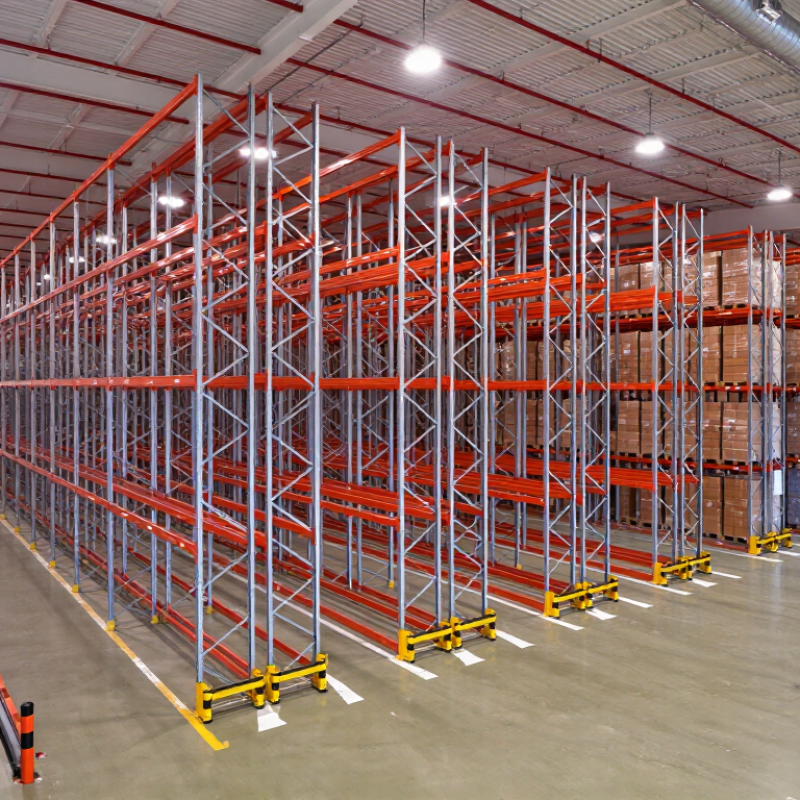
What Are the Top 10 Selective Pallet Racking Systems?

What Selective Pallet Racking Is and How It Works

Selective pallet racking is the most familiar warehouse storage format. It uses upright frames, horizontal beams, and wire or solid decking. Each pallet sits one position deep, allowing forklift access to every stored load.
Access is the point.

A typical aisle separates two rack rows. Forklifts place pallets onto beam levels, while inventory systems track location, quantity, and rotation. This layout supports fast picking and flexible SKU changes. However, it does not provide the highest storage density. A warehouse may sacrifice some floor capacity for direct access and simpler stock control.

The 2024 MHI Annual Industry Report found that 83% of supply chain professionals expect to adopt robotics and automation within five years. Selective racks can support this shift when dimensions, load data, and aisle geometry remain consistent. Automation cannot fix poor rack planning. The rack designer must verify pallet weight, beam span, upright protection, floor conditions, and required clearances. OSHA’s material-handling guidance also requires stored materials to remain stable and avoid creating hazards.

In practice, the best system depends on movement, not appearance. A fast-moving warehouse may need wider aisles and lower levels for picking. A slower operation may increase height and storage density. That assumption often fails. One overlooked issue is pallet variation; a few oversized or damaged pallets can disrupt an otherwise efficient layout. Industry estimates often suggest selective systems can provide direct access to nearly every pallet position, but actual performance depends on disciplined loading and accurate inventory data.

Essential Components and Layout Options for Selective Racking

Selective pallet racking is built for direct access to every pallet. The right system depends on product turnover, building height, and handling equipment. In warehouse inspections, I often find that aisle space is underestimated. It matters.

The ten practical options include single-row, back-to-back, wall-side, narrow-aisle, very-narrow-aisle, double-deep, drive-in, push-back, pallet-flow, and mobile layouts. Each arrangement uses upright frames, horizontal beams, pallet supports, anchors, and protective guards. Wire decking can improve load stability when pallets have uneven boards. Load plaques should show beam capacity clearly.

Damaged components need immediate isolation, not temporary optimism.

Single-row racks suit perimeter storage, while back-to-back rows use floor space efficiently. Narrow aisles increase density but require compatible trucks and disciplined traffic control.

Double-deep layouts store more pallets, although access becomes less flexible. Push-back and pallet-flow designs support faster movement, but their rails, rollers, and stops require regular checks.

Mobile systems can release floor area, yet they add mechanical complexity and may slow access during busy periods.

A sound layout leaves room for turning, inspections, sprinklers, lighting, and emergency routes. Measure the largest load, not the average one. Check slab strength, clear height, beam deflection, and anchoring conditions before installation. Local safety requirements should guide inspections and modifications. A design can look efficient on paper and still create daily congestion. That is the part many plans miss.

The Top 10 Selective Pallet Racking System Configurations

Selective pallet racking systems remain popular because each pallet has direct aisle access. In warehouse projects, configuration matters as much as steel strength. The right layout depends on pallet size, handling equipment, ceiling height, and inventory turnover. Small errors become daily delays.

The top 10 selective pallet racking system configurations include:

Single-deep racks offer simple access and easy stock checks.

Back-to-back rows improve floor use.

Wall-mounted rows suit perimeter storage.

Narrow aisles reduce travel distance.

Very-narrow-aisle layouts increase density but require specialized trucks.

Double-deep storage adds capacity, although rear pallets are less convenient to reach.

Drive-in sections support uniform products with fewer stock-keeping units.

Push-back sections allow several pallets per lane.

Pallet-flow sections support first-in, first-out movement.

Mixed-use zones combine different methods within one facility.

From practical planning,

beam levels should match the loaded pallet height, not an idealized catalog dimension. Leave clearance above each load. Protect uprights near busy turning points. Clear labels help operators identify locations quickly.

A common mistake is maximizing pallet positions while ignoring turning space.

That decision looks efficient on paper. It may slow every shift.

Rack inspections should check damaged frames, loose components, uneven loading, and changing floor conditions. Capacity signs also need updating after any redesign. No configuration is perfect; real operating data should challenge the original plan.

How to Compare Storage Capacity, Accessibility, and Efficiency

What Are the Top 10 Selective Pallet Racking Systems?

Selective pallet racking remains popular because every pallet position is directly reachable. The top ten configurations include single-deep, double-deep, narrow-aisle, very-narrow-aisle, mobile, push-back, pallet-flow, drive-in, drive-through, and carton-flow formats. Their performance differs sharply in real warehouses. A single-deep layout offers the clearest access, while double-deep storage increases density but needs suitable handling equipment. Mobile racks can reduce unused aisles, although movement speed may affect picking routines.

Compare capacity by measuring pallet positions per square metre, not by counting rack levels alone. Check beam height, floor loading, aisle width, and ceiling clearance. A narrow-aisle design may add positions, but it can require guided trucks and stricter operator training. Accessibility depends on stock rotation and SKU variety. Fast-moving products usually need direct access. Slow-moving reserve stock can accept deeper storage.

Efficiency also includes travel distance, replenishment time, inspection effort, and damage risk. Pallet-flow systems support first-in, first-out movement, but rollers need regular checks. Drive-in storage provides high density, yet forklift access is more limited. That trade-off matters. In practice, I would map ten days of pallet movements before selecting a layout. A spreadsheet may predict excellent capacity. The floor may disagree. Dust, uneven loading, and mixed pallet sizes can weaken an otherwise efficient design. Test one aisle with real loads before committing to the full installation.

Safety, Installation, and Maintenance Requirements

Selective pallet racking is popular because it provides direct access to every pallet. Among the ten most practical warehouse systems, it also demands disciplined safety controls. Safety starts with accurate load data, suitable beam levels, and aisles wide enough for handling equipment. Keep it simple. Each frame should stand plumb, with beams fully locked and uprights anchored to a sound concrete floor.

Installation requires approved drawings, trained installers, and a careful slab inspection. Anchors must match the floor condition and expected loads. Beam connectors should be secured before pallets enter the bay. Installers must verify clearances around sprinklers, lighting, doors, and emergency routes. Local building and fire requirements still apply. A rushed installation may look acceptable, but small alignment errors can increase stress over time.

Daily operator checks should look for bent uprights, displaced beams, missing safety pins, damaged pallets, and loose anchors. Monthly inspections should be completed by a competent person, with written records and photographs. Damaged sections need immediate unloading and isolation. Do not straighten them with improvised tools or unapproved welding. Repairs require qualified guidance and replacement parts suited to the original design. A recurring audit lesson is that clean aisles do not prove a safe rack. Hidden corrosion, uneven floors, or changing pallet weights may remain unnoticed. Review the system whenever storage patterns change.

FAQS

What is selective pallet racking designed to provide?

It provides direct access to every pallet position. This helps warehouses handle varied products and frequent stock changes.

Which layout should suit fast-moving products?

Single-deep or single-row storage usually suits fast-moving products. Workers can reach pallets without moving other loads.

How do narrow aisles affect warehouse performance?

Narrow aisles create more storage positions. They also require compatible trucks, careful turning, and stronger traffic discipline.

What should be measured before choosing a rack layout?

Measure the largest pallet, actual load weight, ceiling height, floor strength, aisle width, and equipment clearance. Average loads can mislead.

Which systems support higher storage density?

Double-deep, drive-in, push-back, mobile, and pallet-flow layouts can increase density. Access becomes less flexible in several of them.

How can a warehouse compare capacity and efficiency?

Count pallet positions per square metre. Also review travel distance, replenishment time, inspection effort, and damage risk.

What components need checking during installation?

Check upright frames, beams, connectors, anchors, pallet supports, and protective guards. Beams must lock fully before loading pallets.

What daily damage signs should operators look for?

Look for bent uprights, displaced beams, missing safety pins, loose anchors, and damaged pallets. Isolate damaged areas immediately.

How often should the racking system receive a formal inspection?

A competent person should complete monthly inspections with written records and photographs. Daily checks still matter.

Can an efficient drawing guarantee good warehouse performance?

No. Dust, uneven floors, mixed pallet sizes, and congestion can defeat the plan. Test one aisle with real loads first.

Conclusion

Selective Pallet Racking Systems are designed to organize palletized goods while providing direct access to every stored load. They typically use upright frames, horizontal beams, pallet supports, and protective accessories arranged in single- or double-deep layouts. Their modular structure allows warehouses to adapt aisle widths, bay heights, and storage levels according to available space, equipment requirements, and inventory flow. Among the top configurations are standard single-deep racks, double-deep racks, narrow-aisle layouts, very-narrow-aisle systems, drive-in arrangements, push-back designs, pallet-flow solutions, mobile racks, mezzanine-supported systems, and mixed-use layouts.

Choosing the right configuration requires balancing storage capacity, product accessibility, handling speed, and space efficiency. Single-deep systems generally offer the best selectivity, while denser designs can increase capacity but may reduce immediate access. Proper installation should include level flooring, accurate anchoring, suitable load ratings, and clear operating procedures. Regular inspections, beam and frame checks, aisle management, and prompt replacement of damaged components are essential for maintaining safe and reliable warehouse operations.

Liam

Liam

Liam is a dedicated marketing professional with a strong understanding of the company’s products, customers, and industry landscape. Through a combination of strategic insight, practical experience, and a passion for clear communication, he helps transform complex product information into useful,......